Search Articles


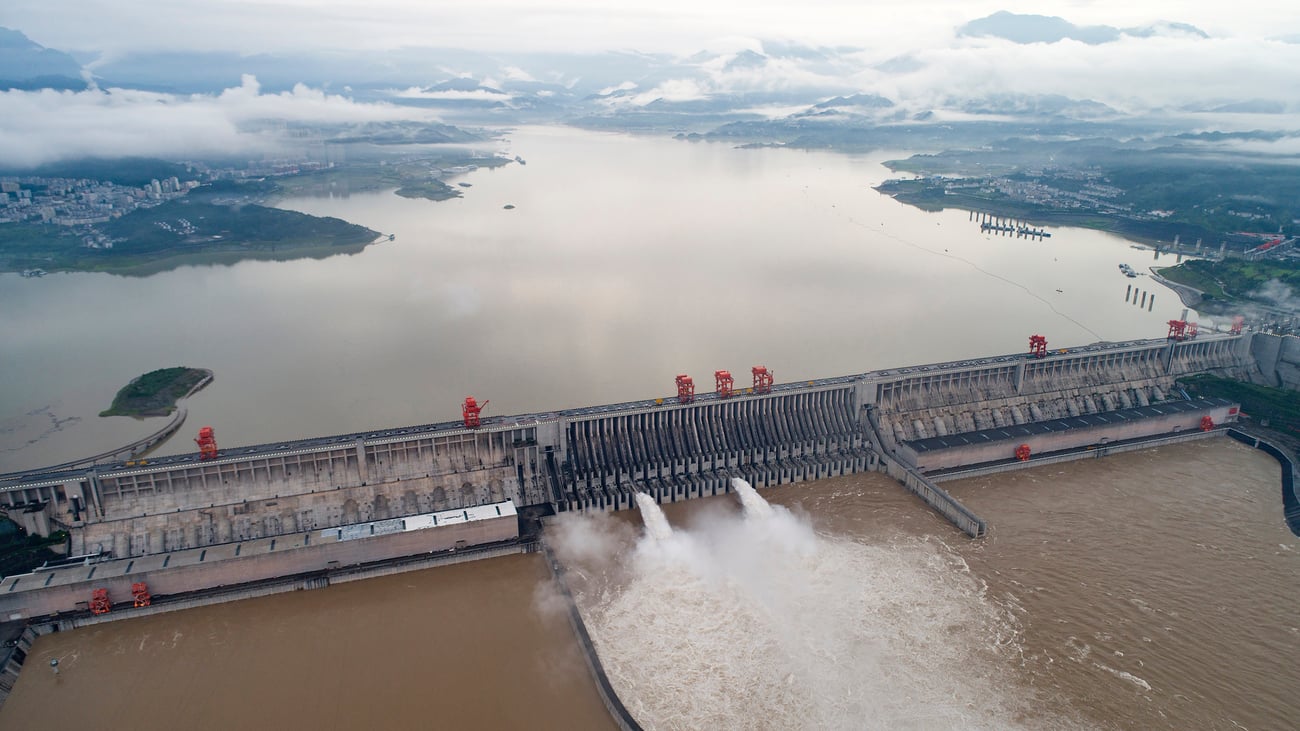
(CN) — Massive investments in wastewater treatment plants, sewer systems and pollution control have reversed decades of oxygen depletion in China’s freshwater ecosystems, even as climate warming reduces the water’s ability to hold oxygen.
A study published Friday in Nature Geoscience found infrastructure advancements sharply cut nutrient and organic pollution in hundreds of rivers and lakes across China, leading to widespread increases in dissolved oxygen levels.
Dissolved oxygen is considered an invisible lifeline for aquatic ecosystems. Water becomes hypoxic when dissolved oxygen levels drop too low and anoxic when oxygen is absent. Fish suffocate, metals leach from sediments and greenhouse gases such as methane can increase. In Europe and North America, scientists have documented steady oxygen declines in lakes and rivers for decades, driven by rising temperatures and runoff from farms and cities.
But China tells a different story.
Researchers analyzed monthly data from 972 river sites and 354 lake sites across the country from 2005 to 2022. Surface waters warmed by about 1.2 degrees Celsius per decade (2.2 degrees Fahrenheit), which normally reduces oxygen levels. Instead, dissolved oxygen concentrations rose an average of 12% per decade in rivers and 4.5% per decade in lakes. Oxygen saturation levels also improved significantly.
The turnaround coincided with massive national investments in environmental remediation. China increased spending on wastewater treatment from roughly $140 billion annually in 2000 to about $1.4 trillion in recent years. The number of treatment plants surged, and the share of wastewater treated increased from 34% to more than 98%. Those improvements cut biochemical oxygen demand — a measure of organic pollution that consumes oxygen — and reduced key nutrients like nitrogen and phosphorus.
“While water temperature remains a strong predictor of oxygen solubility, our models show that reducing oxygen demand through pollution control has more than offset the oxygen loss expected from warming,” Professor Zhou Yongqiang said in a statement. “The correlations between provincial investment in sewer infrastructure, the volume of wastewater treated and the magnitude of dissolved oxygen recovery are exceptionally strong.”
Zhou led the study with researchers at the Chinese Academy of Sciences and co-authors from institutions in Canada, the United States, the United Kingdom, Denmark and Australia.
Hypoxia events in rivers fell from 170 during 2005-10 to 25 during 2017-22. Cases of anoxia dropped even more sharply. Gains were strongest in smaller rivers and in central China, where cleanup efforts were most intensive. Phytoplankton levels did not drive the oxygen rebound; instead, lower pollution loads reduced bacterial oxygen consumption.
While China’s rapid industrialization severely degraded its waterways, sustained policy action and infrastructure investment produced measurable ecosystem recovery. Rivers, especially smaller headwater streams, responded faster than lakes because they mix and flush more efficiently.
The findings suggest deoxygenation is not an inevitable consequence of climate change and development. Targeted reductions in nutrient and organic pollution can buy critical time for aquatic ecosystems and help avoid crossing dangerous ecological thresholds.
“These results provide clear optimism for global restoration efforts,” Yongqiang said. “Effective water quality management can improve oxygen levels, protecting aquatic life and reducing the risk of deoxygenation while the climate continues to warm.”
 Follow @gabetynes
Subscribe to our free newsletters
Our weekly newsletter Closing Arguments offers the latest about ongoing trials, major litigation and rulings in courthouses around the U.S. and the world, while the monthly Under the Lights dishes the legal dirt from Hollywood, sports, Big Tech and the arts.