Search Articles


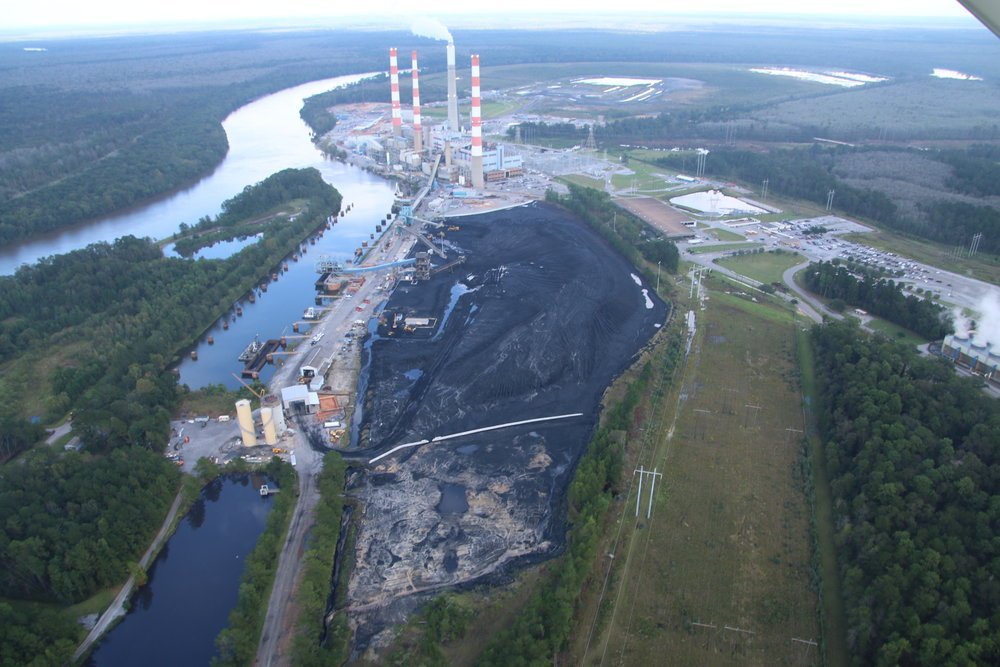
(CN) — Alabama environmentalists fighting for the removal of more than 21 million tons of toxic coal ash from the edge of the ecologically diverse Mobile-Tensaw River Delta earned a legal victory Monday.
The 11th Circuit reversed a lower court’s dismissal of a citizen suit by Mobile Baykeeper, allowing the group to challenge Alabama Power’s plan to cap the ash in place at the James M. Barry Electric Generating Plant, where it has been piling up since 1965.
After hearing oral arguments in September 2025, a three-judge panel found the plaintiffs have standing and their claims under the Resource Conservation and Recovery Act are ripe for review. The case now returns to the U.S. District Court for the Southern District of Alabama.
“Mobile Baykeeper has satisfied all three standing requirements, and its claims are ripe, too — despite Alabama Power’s spirited efforts to overcomplicate these questions,” U.S. Circuit Judge Britt C. Grant wrote for the panel.
Mobile Baykeeper sued in 2022, claiming Alabama Power’s 2020 “closure-in-place” plan for the unlined impoundment at Plant Barry violates EPA’s Coal Ash Rule. The plan would leave the ash — laced with arsenic, mercury and other heavy metals — in contact with groundwater near the Mobile River.
The plaintiffs claim the closure method fails to meet federal performance standards requiring minimization of liquid infiltration and pollution releases “to the maximum extent feasible.” Members say toxic leaching already harms their recreational and aesthetic use of the river and delta, including fishing and swimming.
U.S. District Judge Kristi DuBose, a George W. Bush appointee, dismissed the suit in early 2024, finding no standing because past contamination predated the closure plan and any future benefits from a new plan were too speculative. She also ruled the claims were not ripe, as full closure is not expected until around 2031.
To the contrary, the appeals court found that Mobile Baykeeper adequately claimed concrete injuries to its members, that the closure plan Mobile Baykeeper says is noncompliant perpetuates ongoing leaching and that a court order requiring a compliant plan would likely provide at least partial redress.
“Mobile Baykeeper’s injury is fairly traceable to leaching that the allegedly noncompliant closure plan perpetuates, and past environmental degradation does not vitiate Mobile Baykeeper’s current standing,” Grant, a Donald Trump appointee, explained. “If the rule were otherwise, no environmental plaintiff would ever have standing to sue over a failure to comply with any pollution remediation plan.”
The panel dismissed arguments about future permitting hurdles, potential EPA policy shifts or state agency actions as overly speculative.
On ripeness, the court held that “the core legal question — whether federal law allows for an impoundment to be capped in place with coal ash still in contact with groundwater — is fit for judicial decision and ‘purely legal.’” Delaying review would only prolong uncertainty, the panel said.
In a statement Monday, Barry Brock, senior attorney and director of the Southern Environmental Law Center’s Alabama office, said the plaintiffs were satisfied with the decision.
“I am grateful the Court of Appeals saw past Alabama Power’s meritless arguments and delay tactics and is ordering this case to move forward,” Brock said. “This case is about holding Alabama Power accountable. The company’s reckless plan at Plant Barry is a danger to communities surrounding the Delta and Mobile Bay.”
The SELC noted the EPA is currently proposing a rule that would give more authority to state regulators when it comes to coal ash pond closures while also eliminating certain safeguards.
Alabama Power has spent more than $250 million on the project so far and anticipates a total cost exceeding $1 billion. The company has maintained that its plan complies with the rules.
The panel included U.S. Circuit Judges Andrew L. Brasher and Robin Rosenbaum, appointees of Trump and Barack Obama, respectively.
Alabama Power did not immediately reply to a request for comment.
 Follow @gabetynes
Subscribe to our free newsletters
Our weekly newsletter Closing Arguments offers the latest about ongoing trials, major litigation and rulings in courthouses around the U.S. and the world, while the monthly Under the Lights dishes the legal dirt from Hollywood, sports, Big Tech and the arts.