Search Articles


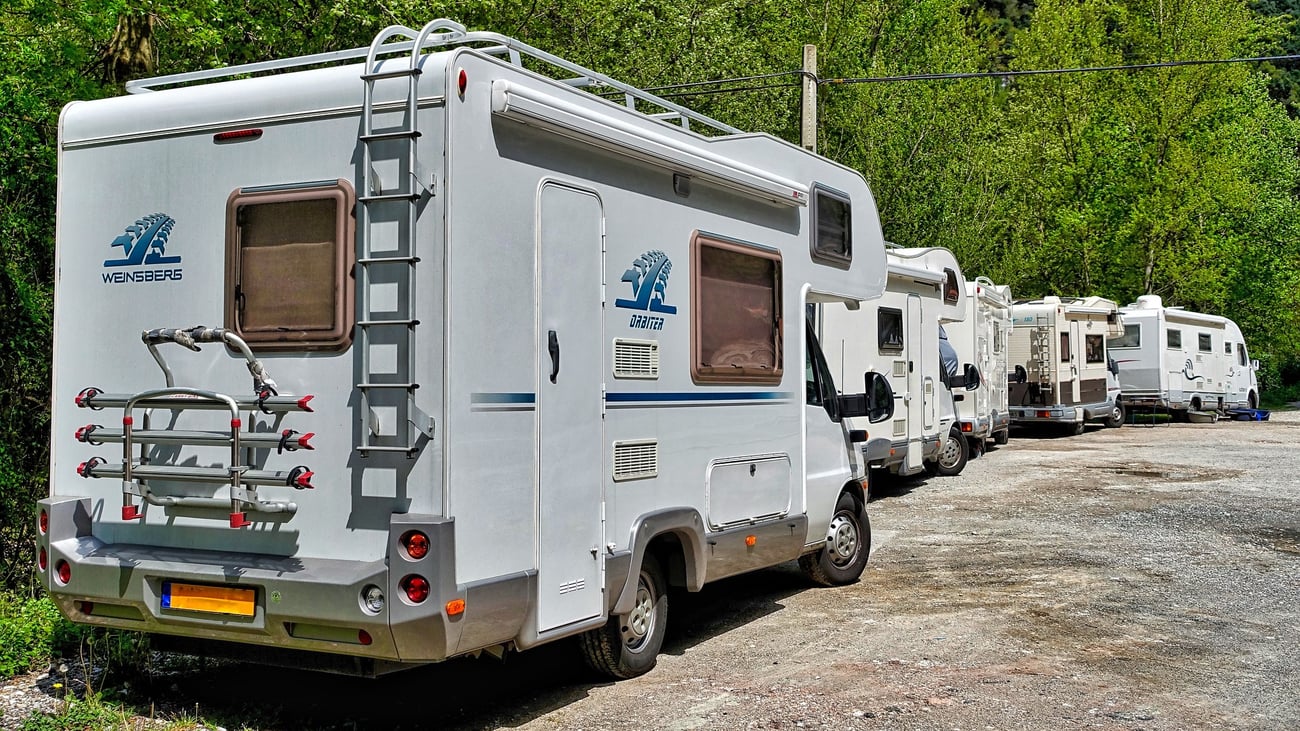
SAN DIEGO (CN) — A federal judge handed a partial victory to a group of homeless residents in San Diego after finding the city partially violated the terms of a settlement.
The class action goes back nearly a decade after homeless residents claimed they were being unfairly targeted by the city for living in their vehicles.
The homeless residents, who live out of RVs and other large vehicles, claimed the city violated the terms of a settlement when police officers continued to cite them for parking violations under the city’s oversized vehicle ordinance, or OVO, when there was no space left at the city’s safe parking lots.
The residents also said the city violated the terms of the settlement by not improving the conditions at one of its 24-hour safe lots in Mission Valley, where many of the residents spend their days. The city agreed to spend $900,000 on improvements at the location.
U.S. Magistrate Judge Daniel Butcher found the city was not upholding its agreement to improve conditions at the Mission Valley safe lot.
Some of the requests for improvement included water and electricity hookups, connections for shower stalls and bathrooms, a pump station for sewage disposal and shade structures or trees.
The city has only spent about $30,000 on widening the site’s entrance and a security gate since the settlement was reached about 18 months ago. The city also said that it repaved parts of the safe lot, which cost about $140,000, though it wasn’t clear if that was part of the budget.
The city has argued some of the improvements will far exceed the $900,000 budget.
Butcher ordered the city to provide a status report by the end of the month that included a plan to complete the improvements, a budget and a schedule.
However, the judge did not agree with the plaintiffs’ claim the city violated the agreement by continuing to cite class members with OVO violations.
The plaintiffs argue they are often unable to move their vehicles to the safe lots because the lots are full or because they lack the financial means or capability to do so. As a result, some of the class members have racked up thousands of dollars in parking violations.
In his ruling Wednesday, Butcher noted officers continued to cite the homeless residents after the establishment of the H Barracks, a nighttime-only safe lot with a 190 parking spaces located in the city’s Point Loma neighborhood. The city opened the safe lot a year ago.
The class members have often presented city police officerswith a preprinted form that says they are unable to relocate their vehicles to the H Barracks from their daytime location due to fuel costs or wear and tear on their vehicle. But Butcher ruled this form does not give them veto power over the city’s ability to enforce its ordinances.
“The city’s officers have no ability to verify class members’ claims that they cannot afford the five- to six-mile drive (10-12 mile round trip) to H Barracks,” Butcher wrote. “Moreover, plaintiffs understood their financial challenges when they agreed to the settlement agreement, yet, they agreed they would have to move from their daytime locations to a reasonably available safe lot during the nighttime hours or risk receiving an OVO citation.”
Butcher also criticized the residents’ attorneys for distributing the preprinted forms. The forms misled the plaintiffs into thinking they were protected from citations, he wrote.
“Many class members have received tickets as a result,” Butcher wrote. “Second, the form seeks to deprive the city of the main benefit it bargained for under the settlement agreement: the ability to clear vehicle encampments from city streets and parks and connect unhoused individuals with the social services available at safe lots and, ultimately, into permanent housing.”
Butcher said he recognized the various reasons why relocating vehicles could be burdensome, especially for people who suffer from disabilities or other personal challenges.
“Many class members also explain that a 24-hour safe lot would serve them better than a nighttime-only lot,” Butcher wrote. “Plaintiffs, however, did not bargain for a 24-hour safe lot. Plaintiffs, therefore, understood and agreed that, once the city provided reasonably available safe parking, they would have to relocate there during the nighttime hours or risk an OVO ticket.”
Many of the class members spend their day at Mission Bay Park, a popular beach area that provides free parking, running water, showers and garbage collection about five miles from H Barracks. But Mission Bay Park was never part of the agreement, Butcher wrote.
“The court is sympathetic to the class members’ plight,” he continued. “Financial challenges, disabilities, and other circumstances have resulted in them living in their vehicles. But this reality was known when the parties entered into the settlement agreement.”
In response to the ruling, the city urged its homeless population to take advantage of the safe lots when they can.
“The judge’s order makes it clear — the city’s enforcement of the oversized vehicle ordinance is not in violation of the settlement agreement, and the 190-space H Barracks Safe Parking lot is a reasonable alternative,” the city said in a statement. “The city will continue to enforce the oversized vehicle ordinance as outlined under the Bloom settlement, with a compassionate approach that focuses on connections to services.”
The city also said it will use the remainder of the settlement funds to improve the Mission Valley safe lot.
The residents’ attorney Ann Menasche said she was disappointed with the judge’s ruling and her clients are weighing their options.
“I think it misconstrues the facts and what’s going on with the ground with the clients,” Menasche said. “We thought there would be some room for flexibility.”
She said she worries the city may begin towing some of the RVs, taking away her clients’ only shelter. And she noted the settlement was supposed to give an out for people who can’t move their vehicles based on reasonable availability, which she says includes financial means and disability.
“It renders that section of the settlement meaningless,” she said.
As for the preprinted forms, Menasche said they were meant to help her clients communicate with the police and came about after a meeting with the residents.
“We weren’t outside agitators who put this idea into their heads,” she said.
Subscribe to our free newsletters
Our weekly newsletter Closing Arguments offers the latest about ongoing trials, major litigation and rulings in courthouses around the U.S. and the world, while the monthly Under the Lights dishes the legal dirt from Hollywood, sports, Big Tech and the arts.