Search Articles


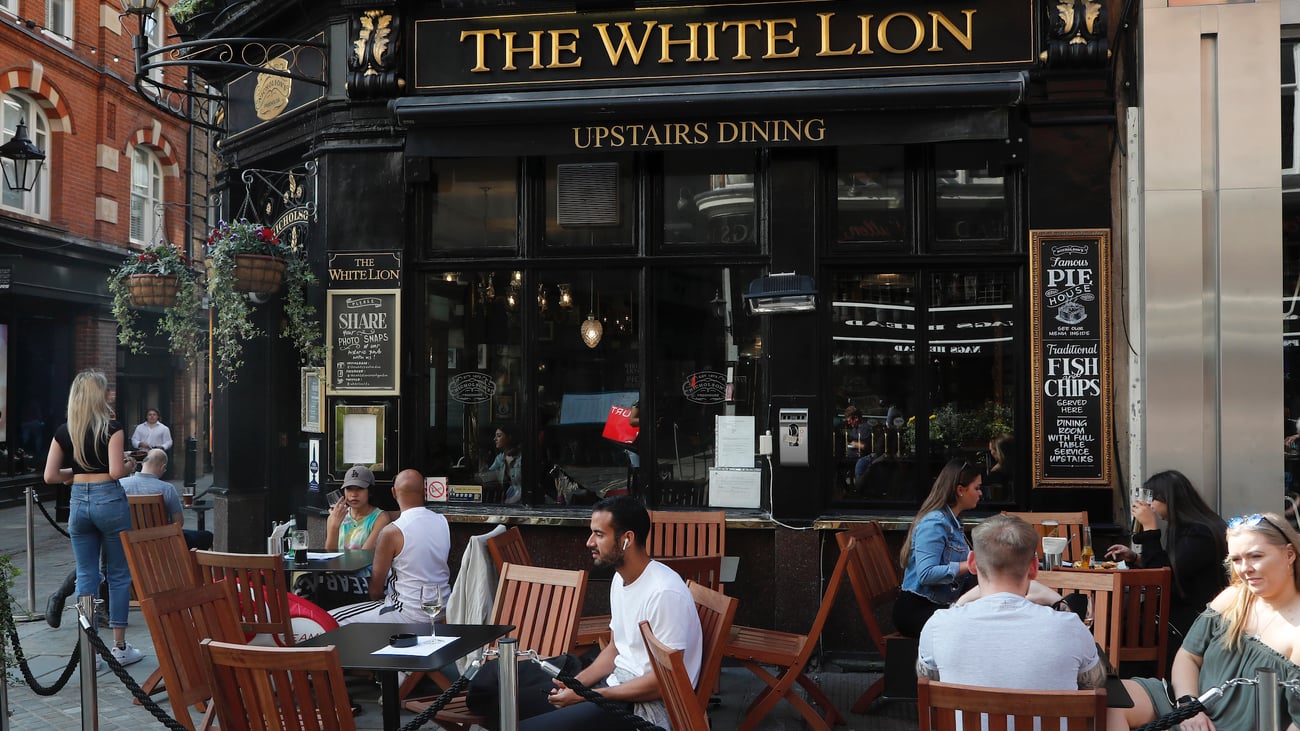
MANCHESTER, England (CN) — Prime Minister Andy Burnham announced a 20% cut in business rates on Thursday for pubs, clubs and smaller live music venues in England, his third major policy announcement since taking office on Monday.
The tax break will take effect in April and benefit almost 32,000 venues, according to the government, which is seeking to revive struggling town centers and reduce pressure on the hospitality sector.
Ministers said a typical pub will save about 1,100 pounds ($1,470) during the next financial year.
The relief will be targeted, excluding the largest live music venues as well as cafes and restaurants.
Business rates are a property tax paid by most commercial premises in England and Wales based on the value of the building they occupy.
Hospitality businesses have long argued the tax places an unfair burden on bricks-and-mortar venues already facing rising wages, energy bills and changing consumer habits.
Announcing the policy, the prime minister said, “I won’t stand by while these cherished local spaces disappear, replaced by boarded-up windows and ‘For Sale’ signs. They’re the heart of our communities and it’s time we backed them.”
During a visit to a pub in Essex later in the day, Burnham said venues should know “the cavalry is coming” and described pubs as part of Britain’s working-class heritage. “Once pubs are gone, they don’t come back," he warned.
The government said the package would be fully funded, partly through a review of business rates relief for businesses “that do not make a positive contribution to local communities, such as vape shops.”
It said it would also crack down on online businesses that do not comply with their tax obligations.
Conservative Party leader Kemi Badenoch criticized the policy, saying the prime minister needs to be clearer about where his savings would come from, accusing him of a “spending spree” of early promises.
Government promises wider overhaul
The announcement is part of Burnham’s opening week in office, following measures to cap bus fares across England and cut value-added tax on household electricity bills.
Together, the policies form part of his broader effort to tackle the cost-of-living crisis while breathing life back into town and city centers that have struggled with years of declining foot traffic.
The business rates cut also marks the first step in a wider overhaul of the system promised by Chancellor John Healey, Britain’s finance minister.
Healey said broader reforms, including changes to relief for small businesses, would follow in the government’s first budget, expected in October.
“I’m just as concerned about the cost of business as I am about the cost of living,” Healey said.
Cafes and restaurants will hope they are included in future measures, after being left out of Monday’s business rates cut announcement.
The announcement comes after another difficult year for Britain’s retailers.
Provisional figures from the Centre for Retail Research showed 13,649 retail stores closed permanently across the U.K. during 2024, up 30% from the previous year. Independent retailers accounted for more than four-fifths of those closures, with business rates frequently cited as a contributing factor.
Calls to go further
Business groups welcomed the move but said it should be the beginning rather than the end of reform.
The Federation of Small Businesses said the announcement should be “a downpayment on action that reaches across the small business community.”
Policy chair Tina McKenzie said the plans addressed damage caused by previous business rates decisions that were “holding back small business growth and jobs.”
Andy Slee, chief executive of the Society of Independent Brewers and Associates, said Burnham had moved quickly to fulfill a campaign promise.
“The new prime minister promised he would deliver much-needed support for our cherished community pubs on business rates, and he has acted quickly to do so,” Slee said.
He added that shifting the tax burden away from businesses that support communities and local jobs would make “a real difference,” but urged ministers to go further by cutting taxes on draft beer and making it easier for small breweries to sell directly to pubs.
Steve Alton, chief executive of the British Institute of Innkeeping, also welcomed the announcement, saying independent pub operators would be encouraged by the government’s early recognition of the sector’s economic and social importance.
“However, even with this additional 20% discount on current bill levels, we now need to see a significant change to the cumulative taxation faced by our sector, to allow our nations’ pubs to have the ability to grow and reach their full potential,” Alton said.
The vaping industry has hit back at the policy, accusing the government of “demonizing” the sector.
John Dunne, director general of the UK Vaping Industry Association, said, “The government is offering significant financial support to venues that sell alcohol, a product associated with substantial and well-established health and social harms, while threatening to penalize responsible businesses that help adult smokers move away from cigarettes.”
Business rates are not the only challenge for venues.
Hospitality leaders continue to argue that Britain’s 20% value-added tax rate leaves pubs, restaurants and cafes at a competitive disadvantage compared with countries including France, Spain and Germany.
Industry groups have urged the Burnham government to include a cut to hospitality VAT in its forthcoming budget alongside broader reforms to business taxation.
The pressure on Burnham is likely to grow as he prepares his first budget.
He has repeatedly pledged to deliver the Labour manifesto on which his predecessor, Keir Starmer, won the last general election, limiting how far and how quickly he can depart from those commitments.
If he pursues a substantially different policy agenda, the prime minister is likely to face louder calls from the political opposition to seek his own mandate and call a general election, which is not scheduled until 2029.
Courthouse News reporter James Francis Whitehead is based in England.
 Follow @jayfranklinlive
Subscribe to our free newsletters
Our weekly newsletter Closing Arguments offers the latest about ongoing trials, major litigation and rulings in courthouses around the U.S. and the world, while the monthly Under the Lights dishes the legal dirt from Hollywood, sports, Big Tech and the arts.