Search Articles


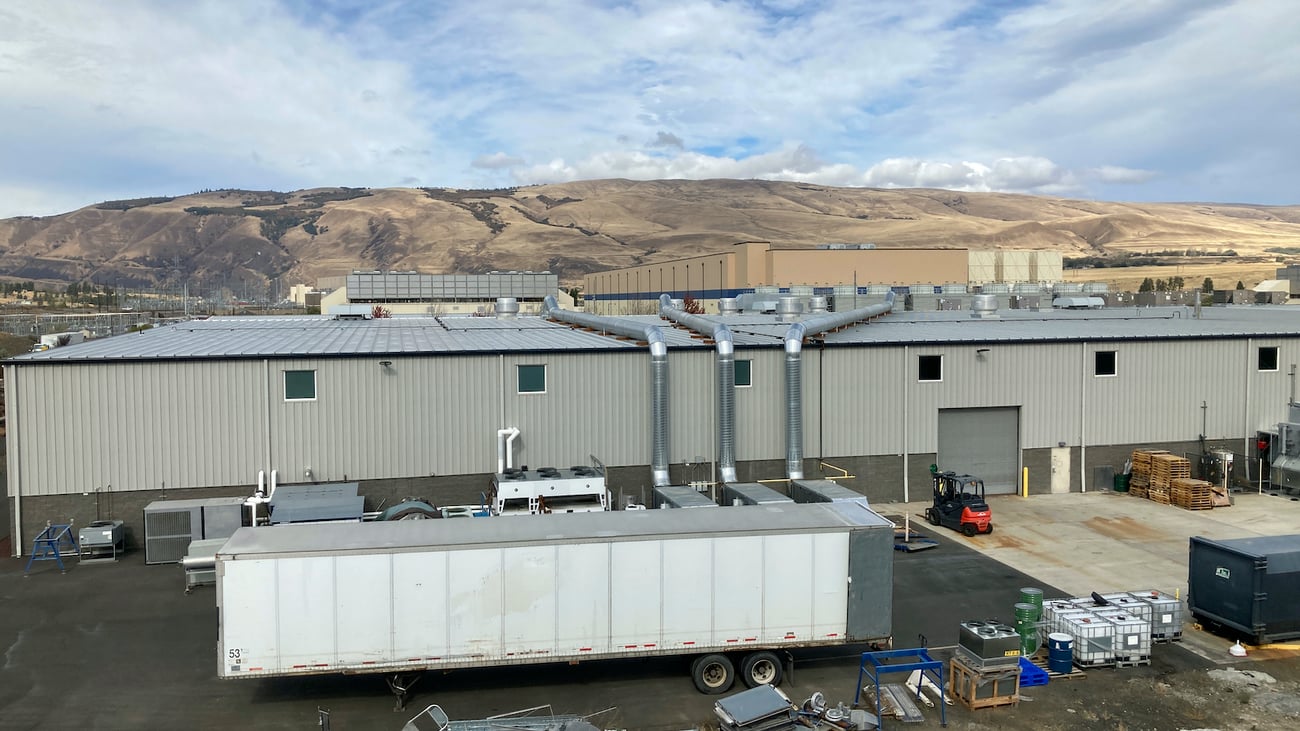
(CN) — While artificial intelligence is a digital technology, a United Nations-backed study released Wednesday argues its growth depends on an increasingly vast physical network that consumes large amounts of electricity, water, land and raw materials.
The report from the United Nations University Institute for Water, Environment and Health examines the environmental consequences tied to the energy needed to build and operate AI systems. Researchers claim public discussion has focused too narrowly on carbon emissions while overlooking other pressures associated with the technology’s rapid expansion.
Those pressures are only expected to grow. Global spending on AI is forecast to exceed $2.5 trillion this year, while the market itself could swell to nearly $5 trillion within the next decade, according to the researchers.
Meeting that demand requires enormous computing infrastructure. Researchers estimate that data centers worldwide used roughly 448 terawatt-hours of electricity in 2025, placing their power consumption among the largest in the world if they were considered a nation.
AI programs accounted for about one-fifth of that demand last year, but that number is only expected to climb dramatically in coming years. Carbon emissions produced by AI-related electricity generation are only one measure of the impact that growth will have.
Producing electricity requires water and space. At its current growth rate, the researchers say electricity-generating facilities with a land footprint roughly the size of Northern Ireland will be required to power international AI use by 2030. The estimated 9.3 trillion liters of water that will need to be used would provide sufficient drinking water to everyone on Earth for about 1.6 years.
The study also examines specific requirements like the energy needed to train AI services. Training a large language model like ChatGPT-5 requires enough energy to power all residential properties for the 770,000 people living in Sub-Saharan Africa. Yet, researchers warn even larger challenges will likely come after models are released to the public.
Billions of daily interactions with chatbots, search engines and recommendation systems create a steady stream of resource consumption. While a single query may require only a small amount of electricity, the cumulative effect is significant when multiplied globally.
Expanding AI infrastructure will also create a growing waste issue as servers, processors and other equipment become obsolete. By 2030, AI-related hardware could account for millions of metric tons of discarded electronics annually, the researchers estimate, roughly equivalent to discarding 250 Eiffel Towers annually.
Most advanced AI use is concentrated in a small number of countries, with 90% in the United States and China. However, many of the environmental impacts associated with mining critical minerals, manufacturing equipment and handling discarded electronics occur elsewhere.
As a result, the authors argue some regions may shoulder environmental burdens while receiving few advantages.
Ireland is an example of how quickly infrastructure demand can reshape an electrical system. Data centers now consume a larger share of the country’s electricity than all urban households combined, creating concerns about future grid capacity.
Governments, technology companies, investors and consumers must play a role in limiting environmental impacts of AI, the researchers say. Among its recommendations are greater public disclosure of resource use, incorporation of AI facilities into long-term energy and water planning and more careful consideration of where new computing infrastructure is built.
Everyday choices by users can influence overall resource consumption, too. The report’s authors explain selecting simpler tools or using shorter phrases can lower computing demands and make a difference when multiplied across millions of users.
“The promise of AI is immense, particularly in areas such as healthcare, education, scientific discovery and climate resilience,” co-author Tshilidzi Marwala said in a statement accompanying the report. “But innovation without stewardship risks deepening inequality and intensifying pressure on already stressed planetary systems.”
Subscribe to our free newsletters
Our weekly newsletter Closing Arguments offers the latest about ongoing trials, major litigation and rulings in courthouses around the U.S. and the world, while the monthly Under the Lights dishes the legal dirt from Hollywood, sports, Big Tech and the arts.