
 Search Articles


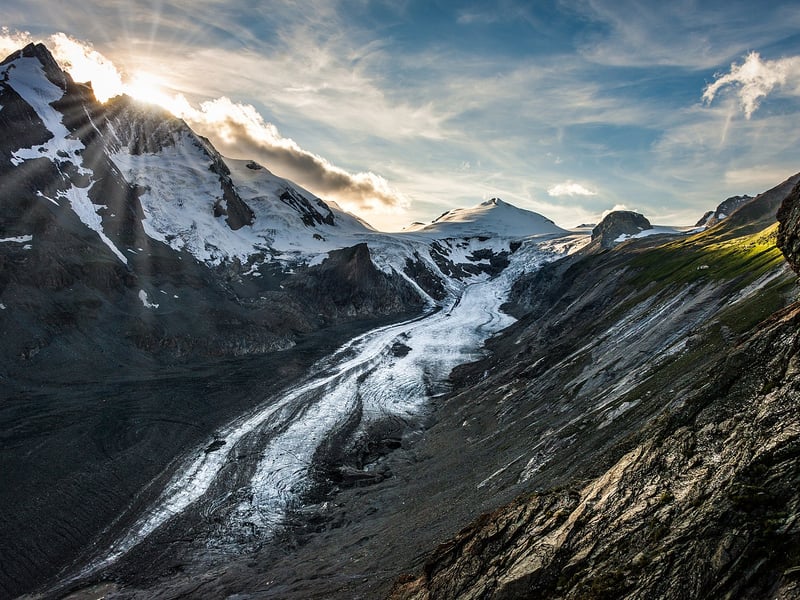
VIENNA (AFP) — Austria is set to become largely “ice-free” within 45 years, the country’s Alpine Club warned Friday, as two of its glaciers last year melted by more than 100 meters (330 feet).
Amid growing concerns over the effects of extreme warming on glaciers around the world, the latest report by the Austrian Alpine Club showed that rapid glacial retreat over the past seven years had accelerated.
The study found that 93 Austrian glaciers observed by the organization retreated by 23.9 meters (78.4 feet) on average last year, marking the third-biggest glacier melt since measurements began in 1891.
Two of the glaciers showed especially drastic declines, with the Pasterze shrinking by 203.5 meters and the Rettenbachferner by 127 meters.
The 2023 readings came after the worst year on record for glacier melt in Austria, with glaciers shrinking by 28.7 meters (94.2 feet) on average in 2022.
Faced with extreme warming in the Alps, glacial ice in Austria could largely disappear within 45 years, the Alpine Club warned, adding that restrictive climate protection measures were introduced too late.
“In 40 to 45 years, all of Austria will be pretty much ice-free,” Andreas Kellerer-Pirklbauer, head of the Alpine Club’s glacier measurement service, told reporters on Friday.
The club urged increased protection of glaciers as part of overall efforts to sustain biodiversity, noting that expansions of ski resorts had put Alpine regions “under constant pressure.”
According to the World Meteorological Organization, major glaciers worldwide suffered the largest loss of ice since records began in 1950, “driven by extreme melt in both western North America and Europe.”
In Switzerland, where the organization is based, Alpine glaciers have lost 10% of their volume in the past two years alone.
—
By Agence France-Presse
Subscribe to our free newsletters
Our weekly newsletter Closing Arguments offers the latest about ongoing trials, major litigation and rulings in courthouses around the U.S. and the world, while the monthly Under the Lights dishes the legal dirt from Hollywood, sports, Big Tech and the arts.