Search Articles


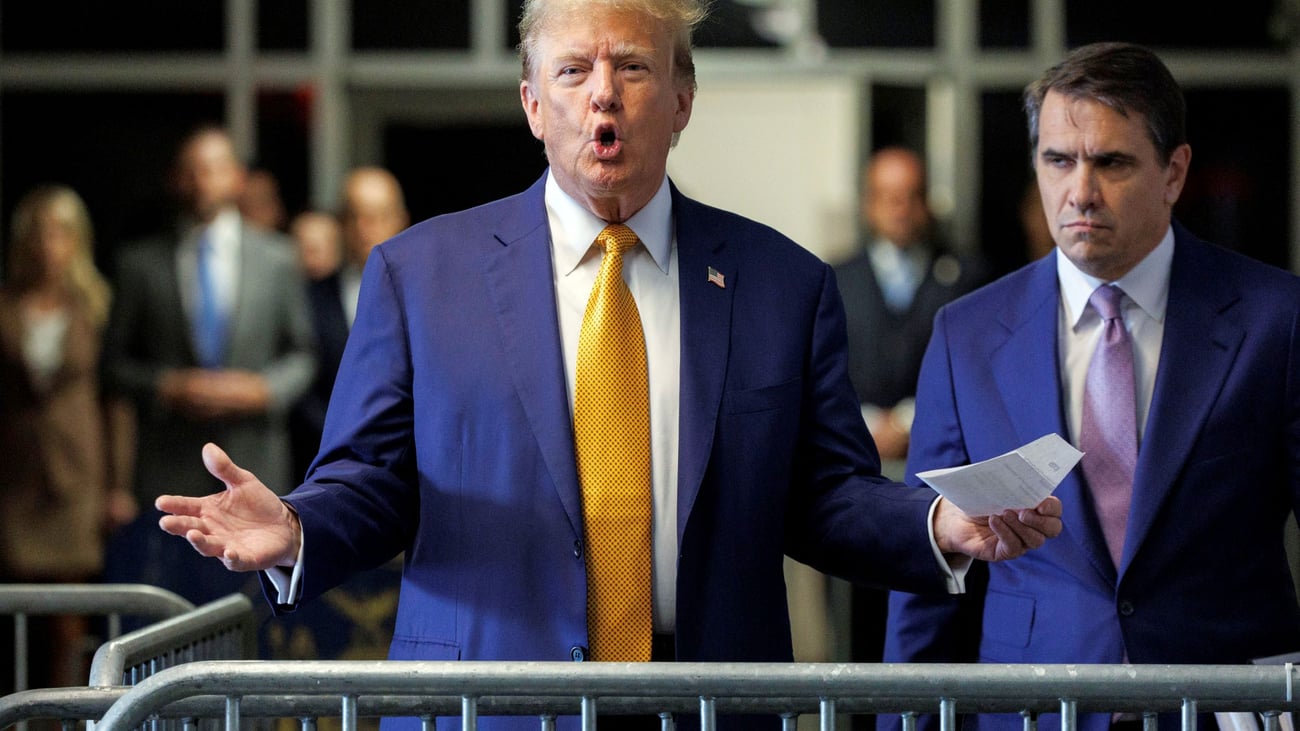
WASHINGTON (CN) — The Trump administration is abandoning its controversial plan to establish a billion-dollar fund for victims of government “weaponization," Attorney General Todd Blanche told House appropriators on Tuesday.
The move to scrap the roughly $1.8 billion fund comes just weeks after the Justice Department unveiled the program, which drew significant blowback from Democrats and Republicans alike and which nearly derailed a must-pass budget reconciliation measure in the Senate.
“We are not moving forward with the fund, period,” Blanche told lawmakers on the House Appropriations Committee during a hearing Tuesday afternoon. “The reasons for the fund, I think, remain as important as they were before, but we are not moving forward.”
The Justice Department last month unveiled its proposed “anti-weaponization” fund following a settlement agreement between President Donald Trump and the Internal Revenue Service in a long-running lawsuit concerning the 2019 leak of his tax returns. The agency said at the time that the program would establish a “systematic process” for people to redress claims of so-called government weaponization.
But the fund — positioned by the Justice Department as available to anyone with claims of legal malfeasance by the government — attracted bipartisan criticism on Capitol Hill. Lawmakers on both sides of the aisle worried that the program would potentially be used to give a taxpayer-funded payout to people convicted of violent crimes related to the Jan. 6, 2021, Capitol riot.
A bill introduced last week by Pennsylvania Representative Brian Fitzpatrick and New York Representative Tom Suozzi would have barred the use of federal funds for “the payment of any claim” submitted through the Justice Department as part of its weaponization fund. A group of Senate Democrats unveiled similar legislation on Monday.
Heartburn among members of Congress reached a climax last week during a tense meeting between Blanche and Senate Republicans, who have been negotiating a major budget reconciliation measure that would fund the Trump administration’s immigration enforcement priorities. Though Blanche attempted to smooth over concerns about who would be eligible to receive payments from the weaponization fund, GOP lawmakers left that meeting dissatisfied.
Amid the GOP backlash, the agency’s billion-dollar fund was dealt another blow last week when a federal judge issued a temporary hold on the program. The Justice Department said Monday that while it “disagrees strongly” with the ruling, it would abide by the court order.
Still, Republican lawmakers said they wanted the Trump administration to definitively walk away from the fund.
The Senate had yet to move forward with the reconciliation measure amid Republican anxiety over the now-defunct Justice Department program. Ahead of Blanche’s testimony Tuesday, Senate Minority Leader John Thune reportedly told colleagues that he would move to fast-track the budget bill.
Blanche, meanwhile, told House lawmakers that while the Justice Department had halted the weaponization fund, the agency would not walk back the settlement agreement it reached with the IRS or his determination that the government can never again investigate Trump’s past tax returns — calling that order standard practice for such settlement deals.
“Nothing has changed with that,” the acting attorney general said.
The moribund weaponization fund, a sum of $1.776 billion, would have been bankrolled through the Justice Department’s judgment fund, traditionally used to pay out government settlement awards. Claims under the program would have been adjudicated by a five-member panel selected by the attorney general, with limited congressional oversight.
During a Senate hearing last month, Blanche defended the program, pointing to an Obama-era settlement in which the Justice Department approved $680 million for indigenous people who accused the government of discriminating against tribal farmers.
“It’s true that this is unusual … but it is not unprecedented,” the acting attorney general said at the time.
 Follow @BenjaminSWeiss
Subscribe to our free newsletters
Our weekly newsletter Closing Arguments offers the latest about ongoing trials, major litigation and rulings in courthouses around the U.S. and the world, while the monthly Under the Lights dishes the legal dirt from Hollywood, sports, Big Tech and the arts.
Additional Reads
 Trans youth sue over DOJ demand for medical records June 2, 2026