Search Articles


MANCHESTER, England (CN) — Adults granted asylum in the U.K. would have to repay thousands of dollars toward the cost of their accommodation and financial support once they begin earning under legislation put before Parliament on Tuesday.
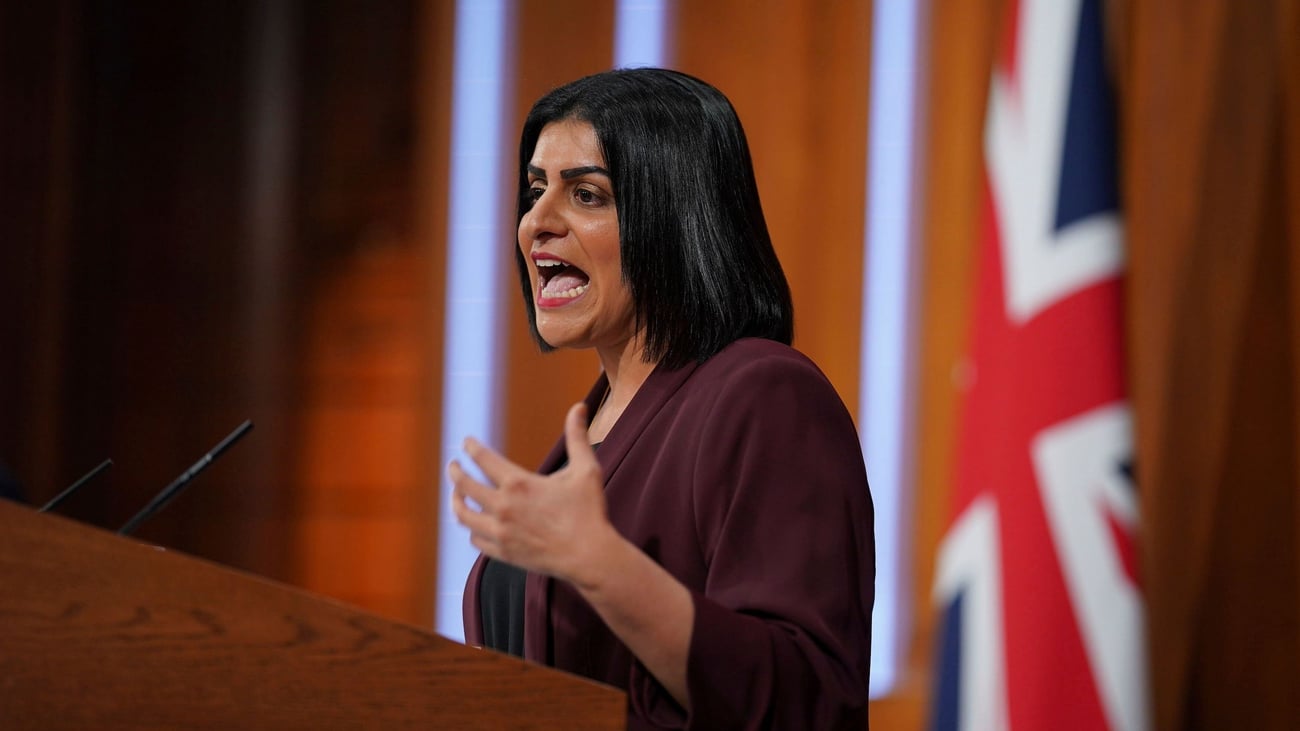
The Immigration and Asylum Bill, introduced by Home Secretary Shabana Mahmood, would require adults who earn over a specific threshold to repay a flat-rate charge before becoming eligible for permanent settlement.
The legislation grants powers for the government to request payments from anyone who has received asylum support, including failed asylum-seekers.
The bill is part of the government’s overhaul of the country’s immigration and asylum system.
The government expects the charge to be set at around $13,000, although ministers have not yet decided how much someone must earn before monthly repayments begin.
The bill also tightens the application of Article 8 of the European Convention on Human Rights, which protects the right to private and family life.
It would define “family” in immigration cases as a spouse, parent or child under 18, except in exceptional circumstances, making it harder for people facing removal to rely on more distant family relationships to remain in the country.
The government says the measure is designed to stop foreign criminals and people without permission to remain in the U.K. from using broad interpretations of Article 8 to block deportation, while preserving the country’s membership in the European Convention on Human Rights.
Mahmood said the proposals would show that “asylum support is a right, but it is also a responsibility.”
“Once people can contribute and repay the generosity of the British people, we expect them to do so,” she said.
The legislation builds on the Border Security, Asylum and Immigration Act 2025 and expands legal pathways for refugees as the government seeks to shift more of the responsibility for housing and integration from the state to community groups, universities and employers through sponsorship schemes expected to open next year.
How much do refugees earn?
The repayment proposal could ultimately recover relatively little money because comparatively few refugees reach the income levels likely to trigger repayments.
Home Office figures estimate 24% of people granted refugee status found employment in the first year, rising to 45% after two years.
Of those employed, 77% made less than $13,000 in the first year they were granted refugee status, with only 6% earning over $26,000.
Refugees gradually earn more with each passing year, with median earnings of $30,000 eight years after being granted refugee status.
The median annual wage in the U.K. is approximately $51,700.
The Home Office says last year taxpayers spent about $5.3 billion supporting asylum-seekers, who are not permitted to work in the U.K. except in restricted circumstances.
Refugee groups condemn the bill
Refugee organizations criticized the repayment proposal, arguing it would penalize people who were legally barred from working while waiting for decisions on their asylum claims.
Imran Hussain, director of external affairs at Refugee Council, said the proposal amounted to an additional tax on refugees and would make it harder for families fleeing persecution, torture and war to rebuild their lives.
“Refugees have always contributed to our national prosperity and paid their taxes once they have had time to integrate,” Hussain said.
“Imposing what amounts to an extra tax on refugees, who the Home Office accepts have arrived here after fleeing persecution, torture and war, is unfair, impractical and make it much harder for families to rebuild their lives,” he said.
Hussain explained the reason why many need asylum support is because the Home Office itself bans asylum-seekers from working while their claims are being assessed.
“When somebody is granted refugee status, that should be a moment for them to finally feel safe and supported. Instead, they would now face an unavoidable 10,000-pound [$13,000] debt, making their road to permanent settlement much more difficult.”
He said the government should instead speed up asylum decisions to reduce accommodation costs.
Tim Naor Hilton, chief executive of Refugee Action, said the proposal seeks to make refugees pay for government failures.
“This plan is little more than a government shakedown of refugees so it can pay for its own waste and incompetence,” Hilton said. “Instead of forcing destitute people into debt, ministers must stop paying billions to private housing contractors, and lift the ban on work so people who are able can start to rebuild their lives.”
The proposals drew criticism and support from across Britain’s political spectrum.
Chris Philp, a senior Conservative lawmaker, said Labour had adopted a policy previously proposed by the Conservatives after rejecting it when it was in opposition.
Richard Tice, deputy leader of the right-wing Reform UK party, said the government’s own employment figures showed asylum migration had imposed a heavy financial burden on taxpayers.
Left-wing Green Party leader Zack Polanski called the proposal a “Refugee Tax,” arguing refugees only required state support because they were prevented from working while their asylum claims were considered.
Burnham moves closer to Mahmood
The bill also lands as Andy Burnham, the Labour frontrunner to become Britain’s next prime minister after Keir Starmer resigned last Monday, has aligned himself more closely with the government’s approach to stricter immigration and asylum.
Burnham is currently the only candidate to announce he’ll seek power after former Health Secretary Wes Streeting endorsed rather than decided to challenge the former Greater Manchester mayor.
He is set to become Britain’s next prime minister on July 20 if no other candidate enters the race before nominations close on July 9.
Burnham has historically taken a more liberal approach to immigration and asylum, including criticizing retrospective changes pushing the timeline for people already on a path to settlement from five years to 10 years.
More recently, however, he has argued net migration should fall further and backed the “broad thrust” of Mahmood’s reforms, while calling for consultation to avoid unfairly affecting people already living in the U.K. on existing settlement routes.
Lawmakers will now debate the bill during a second reading, which has not yet been announced.
Courthouse News reporter James Francis Whitehead is based in England.
 Follow @jayfranklinlive
Subscribe to our free newsletters
Our weekly newsletter Closing Arguments offers the latest about ongoing trials, major litigation and rulings in courthouses around the U.S. and the world, while the monthly Under the Lights dishes the legal dirt from Hollywood, sports, Big Tech and the arts.