
 Search Articles


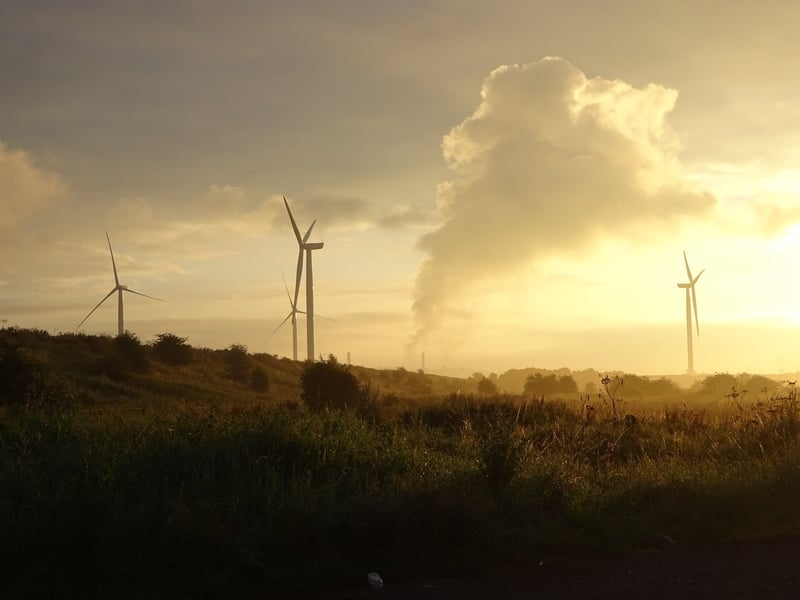
SAN FRANCISCO (CN) — A California air quality district and the U.S. Environmental Protection Agency argued Tuesday before a Ninth Circuit panel over rules affecting how offsetting emissions are calculated, a dispute one judge called complicated.
The issue centers on the EPA’s decision to partially disapprove a proposed state implementation plan submitted by the Mojave Desert Air Quality Management District. The plan is required under the federal Clean Air Act.
The specific rule that led the air district to appeal to the Ninth Circuit is about the calculation of emissions offsets. The EPA has claimed the air district was using reductions “on paper,” not actual emissions.
The district has called the agency’s decision arbitrary and capricious, saying it’s relying on a 2002 regulation that’s being misinterpreted. The EPA countered in court Tuesday that the regulation is clear, the district knew about it and that all other air quality districts comply with the rule.
A three-judge panel questioned whether the district and agency were failing to communicate.
“I can’t tell if both sides are talking past each other as to what the regulation is doing,” said U.S. Circuit Court Judge Daniel Bress, a Donald Trump appointee.
U.S. Circuit Court Judge Lawrence VanDyke, also a Trump appointee, peppered an attorney for the EPA with questions over the 2002 change in the regulation.
Andrew Doyle, the agency’s attorney, said the 2002 regulation was a major change. It codified and clarified certain rules. It also implemented a specific formula for calculating emissions.
“I’m trying to figure out when, if there was a change made, when the change was made,” VanDyke said.
The air district’s attorney Joseph Bias said the 2002 change doesn’t apply to offsetting emissions. Instead, a 1996 rule is in place.
The 2002 regulation focuses on how to determine a modification to a facility. However, it doesn’t place new requirements on calculating the amount of offsets needed to get a permit, air district attorneys wrote in a court filing.
Both sides participated in a mediation program and resolved most of the environmental agency’s issues. They couldn’t reach agreement on the use of simultaneous emissions reductions, which come from modifications to a major facility.
Questioning Doyle, VanDyke said the district was arguing that the EPA was reinterpreting a rule and that the 2002 regulation didn’t affect the issue in question on Tuesday.
“We’re following the clear terms of the regulation,” Doyle said, adding that all air quality districts follow the formula in the 2002 change.
“It’s one thing to have a practice,” Doyle added moments later, referring to how districts operated before 2002. “It’s another thing to have a law.”
Bress questioned why a 2002 regulation change was only now reaching an appeals court, pointing to the 22-year gap. Doyle referred to a 2018 rulemaking instance, which isn’t in dispute, that led the EPA to examine air districts’ state implementation plans. The Mojave agency submitted its proposed plan, which spurred the legal action.
“The writing’s been on the wall since 2002,” Doyle said.
Further complicating the case was the revelation near the hearing’s end about a public comment period for a federal implementation plan the district faces. The Mojave Desert Air Quality Management District faces the possibility of the federal government imposing its plan on the district. However, a public comment period for that federal plan must occur first. That period ends in three days.
Bias asked the panel to vacate or stay that plan. Doyle retorted that the EPA isn’t known for moving quickly and had no plan to expedite review of the public comments.
“We thank all counsel in this complicated matter,” Bress said, ending the hearing.
U.S. District Court Judge Robert Lasnik, a Bill Clinton appointee sitting by designation from the Western District of Washington, rounded out the panel.
Subscribe to our free newsletters
Our weekly newsletter Closing Arguments offers the latest about ongoing trials, major litigation and rulings in courthouses around the U.S. and the world, while the monthly Under the Lights dishes the legal dirt from Hollywood, sports, Big Tech and the arts.