Search Articles


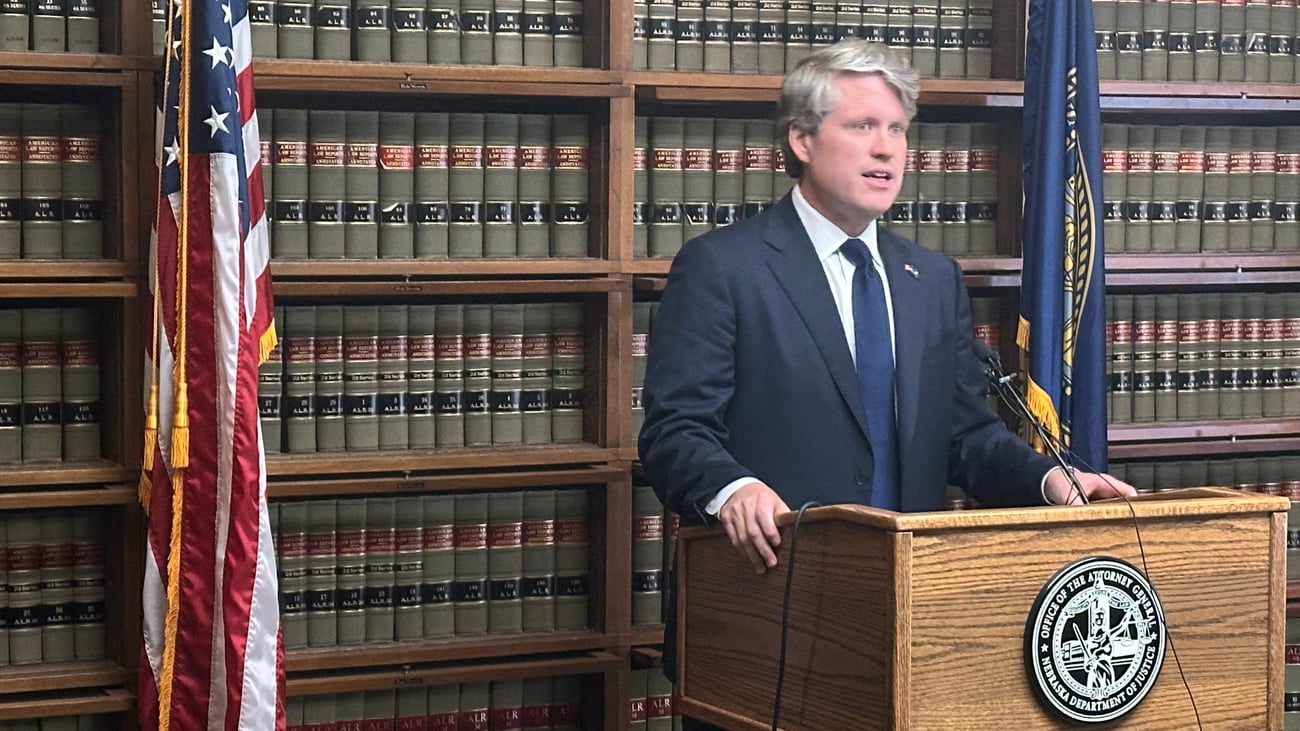
LINCOLN, Neb. (CN) — Attorneys for Canadian security camera manufacturer Lorex argued Wednesday that, with less than one-third of 1% of its sales traceable to Nebraska, its connection to the Cornhusker State was too tenuous for a case to be brought against it in a Nebraska courtroom on personal jurisdiction grounds.
“There is no minimum contact sufficient to trigger what’s needed by the many decades of case law, requiring deliberate and substantial activity uniquely and expressly aimed at the State of Nebraska,” Jennifer A. Semko of the Washington D.C. firm Baker & McKenzie argued to Lancaster County District Court Judge Ryan S. Post.
Nebraska believes differently, with Assistant Attorney General Derek Bral pointing out there had been more than $2 million in direct payments by Nebraska customers to Lorex.
“An out-of-state resident can drive through the state of Nebraska, and if they drive negligently and cause injury here, they are subject to personal jurisdiction for the consequences of their activities,” Bral said. “It doesn’t matter that they only spent a small fraction of their life in the state of Nebraska.”
Nebraska filed a consumer protection lawsuit against Lorex last year, accusing the company of misleading customers about the privacy and security risks associated with its products. The state describes Lorex’s marketing tactics and privacy assurances as unfair and deceptive.
Lorex was once owned by Dahua, a Chinese surveillance equipment manufacturer blacklisted by the U.S. government for its involvement in oppressing ethnic minorities. Dahua sold Lorex to Taiwan-based Skywatch in 2022, just before the FCC moved to restrict Dahua imports.
However, Lorex still uses Dahua component parts and maintains ties with the company, according to the state.
Lorex moved to dismiss the lawsuit earlier this year on personal jurisdiction grounds.
In court Wednesday, Semko argued that Lorex US has never had a Nebraska-based employee. The state is attempting to tie conduct that occurred outside the state to Nebraska, and doing so violates principles of fair play and substantial justice. Lorex’s advertising is national, not local, she said.
“The Lorex entities are in the business of selling nationwide low-cost high value cameras,” Semko said. “There is no dispute that the Dahua products were FCC approved and lawfully sold … There is no evidence, no basis, to prove that Lorex defendants have targeted the Nebraska market.”
But Bral said Lorex had violated Nebraska consumer protection laws by concealing Dahua’s involvement in its supply chain.
“Independent experts have done analyses and determined that there is intentional wiretapping vulnerabilities that are placed into these products," he said. “Nevertheless, Lorex defendants market these products as being safe to use in intimate areas of the home, including places such as the inside of a child’s bedroom.”
But those who bought the cameras relied on these misleading statements or omissions, Bral said. Had Nebraska customers known, they would not have made the purchases.
Also, Lorex had contracted with Omaha-based retail powerhouse NFM, formally known as the Nebraska Furniture Mart, to sell its products. Its cameras are still advertised on its website, he said.
Post questioned both parties on the finer points of case law, asking more of Bral than Semko. Both attorneys cited a raft of conflicting rulings in their arguments. The judge did not rule on the matters before him Wednesday.
“You have all beefed it thoroughly," Post said as he ended the hearing. “This is going to take some time. I’ll get it out as soon as I can.”
Texas filed a similar case against Lorex in February in suburban Dallas. Last year, Florida’s attorney general issued a subpoena to the manufacturer “as part of a consumer protection investigation into possible foreign spying risks,” but has not announced a lawsuit.
 Follow @nelson_aj
Subscribe to our free newsletters
Our weekly newsletter Closing Arguments offers the latest about ongoing trials, major litigation and rulings in courthouses around the U.S. and the world, while the monthly Under the Lights dishes the legal dirt from Hollywood, sports, Big Tech and the arts.
Additional Reads
 UK imposes rules targeting Google search fairness June 17, 2026