
 Search Articles



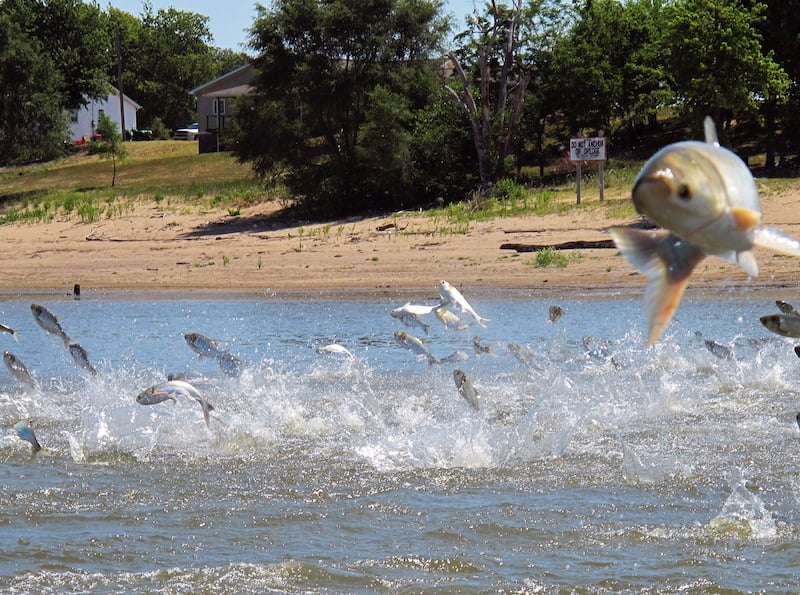
SEDGEFIELD, South Africa (AFP) — It is just before sunrise and volunteers are hauling nets full of gleaming, wriggling carp out of Groenvlei Lake.
Here, on the picturesque coast of South Africa, environmentalists are hard at work trying to eradicate an invasive alien species.
The fish, introduced into Groenvlei in the 1800s, has proliferated so much that the lake’s ecosystem is at threat.
For nearly two years, the carp have been netted or hunted with a bow and processed into fertilizer. But not anymore.
Today, the fish are destined for dinner tables in nearby Sedgefield, a town that depends hugely on tourism — and that industry has vanished almost overnight because of the coronavirus pandemic.
“The carp that we take out… we donate it to our local communities as part of a food diet, because fish is actually an important source of protein,” said Thulani Ndlovu, manager at CapeNature, a governmental nature conservation organization.
With South Africa’s lockdown now in its fifth month, fish from Groenvlei are helping feed around 250 people per day.
“It is a difficult time since Covid-19 started, we could not work. There is (no) money to buy food,” said Erika Kurdom, speaking behind her mask after collecting her ration for the day.
“This fish helps us greatly,” she said.
South Africa has the highest number of coronavirus infections on the continent, with a tally creeping towards half a million.
For freshwater anglers in western Europe, carp are a game fish which are typically put back into the water alive after being caught, so that they can fight again.
But in other cultures, in eastern Europe, the Middle East and Asia, carp are a well-known dish and are often farmed for food.
“The fish itself (is)… very good for human consumption,” said Mario Ferreira, regional representative of charity Gift of the Givers, driving the fish distribution initiative.
“The locals actually love it."
© Agence France-Presse
Subscribe to our free newsletters
Our weekly newsletter Closing Arguments offers the latest about ongoing trials, major litigation and rulings in courthouses around the U.S. and the world, while the monthly Under the Lights dishes the legal dirt from Hollywood, sports, Big Tech and the arts.