
 Search Articles


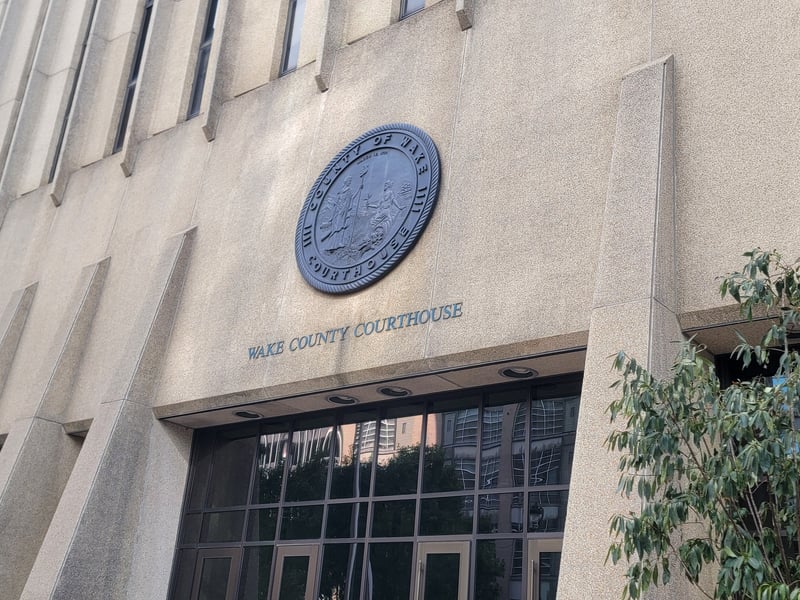
RALEIGH, N.C. (CN) — Duke Energy argued in North Carolina Thursday that claims it worsened the climate crisis should be dismissed.
Carrboro, a small town north of Raleigh, sued the utilities giant in December 2024, claiming it is causing and accelerating climate change. Duke has attempted to conceal the dangers of climate change from the public, it said, despite understanding the dangers of fossil fuel emissions since 1968. It claimed Duke is misleading the public over the causes and consequences of climate change and has “materially slowed the transition away from fossil fuels and toward renewable energy,” failing to timely retire coal plants, increasing reliance upon natural gas and refusing to make meaningful investments in clean energy.
The company is one of the planet’s most significant emitters of fossil fuel emissions, Carrboro said, and has caused decades of delay in implementing measures necessary to transition away from fossil fuels. The impacts of the climate crisis will cost the town millions of dollars in damages, it said, as temperature impacts and more extreme precipitation will require roads to be replaced more frequently, and more devastating storms will necessitate new anti-flooding and anti-erosion infrastructure. As temperatures go up, Carrboro will have to pay Duke, its electricity provider, millions to cool buildings, it said.
Carrboro has failed to meet the threshold to prove injury, counsel for Duke said.
“I can’t say I have a trespass injury by the clouds, right?” asked attorney Hampton Bruton, pointing toward Carroboro’s trespass by climate change claim. Duke’s regulation by the local utilities commission should also be factored in, Duke’s attorneys said.
“The fact that Duke Energy is a regulated utility means that the very decisions that Carrboro is complaining about today, the fact that Duke Energy continues to use fossil fuel products — they would say longer than they should have — implicates decisions by utilities commissions and the General Assembly here in North Carolina and in similar bodies across the country where those types of decisions about generation fuel mix are being made,” said Duke attorney Sterling Andrew Marchand.
Matthew Quinn, counsel for the plaintiffs, argued for the case to remain in state court and survive Duke’s motion to dismiss. The state is able to establish its own regulatory standards more restrictive of emissions than federal guidelines, he said, assuring Business Court Judge Mark Davis that the case won’t inch too closely to federal emissions law, including the Clean Air Act.
“The source of Duke’s liability is their deception. It’s not emissions,” said Quinn, calling Carrboro’s case a common law tort.
“We are not second-guessing energy policy. Our claim is a basic claim for money damage based on common law,” Quinn said, emphasizing that Duke’s messaging that climate change doesn’t exist — and, more recently, that it is now a renewable energy company — is deceptive.
Factoring in emissions is critical, counsel for Duke argued, to determine if Carrboro was injured, and if Carrboro isn’t going to do that because it involves federal legislation, then the town can’t blame Duke for climate change. Carrboro can’t claim that Duke deceived the global population or America, they argued, and that its communications swayed them to use more fossil fuels.
“Because they’ve attributed their injuries to global climate change, which, again, concerns things besides emissions, concerns things outside the United States, outside of North Carolina, they’ve attributed their injury to something they cannot trace back to a deception by Duke,” said Bruton.
Duke’s status as a regulated utilities producer shouldn’t exclude it from liability, Quinn said.
“If you engage in a deception campaign, you know bad things are going to happen,” he said. “And under the law of the state of North Carolina, you don’t have to foresee the precise way in which an injury is going to occur.”
Even if Duke had not made these statements, the state’s utilities commission could still have chosen to go with the same fuel mix that they did, Marchand said.
“You can’t connect billions of decisions across the world back to statements on Twitter,” he said.
Duke has downplayed the seriousness of fossil fuel emissions, launched public relations campaigns arguing that fossil fuel emissions don’t pose a serious risk, opposed all solutions to curbing fossil fuel emissions and promoted its transition from coal-fired generation to natural gas as being cleaner, while knowing it worsens the crisis, the town argued in its complaint.
Duke’s communications made people “highly skeptical” about fossil fuels being dangerous, Quinn said.
“It cannot possibly be true that you can deceive everybody all the time about fossil fuels and not suffer related consequences,” he said.
In July, the state legislature passed a bill into law repealing a 2021 requirement that electric regulators must take steps to reduce their carbon dioxide output 70% from 2005’s levels by 2030, in order to reach carbon neutrality. The law, which primarily impacts Duke Energy, faced pushback from opponents for delaying clean energy sources. Supporters said it would decrease costs incurred trying to meet target goals.
“We are committed to our customers and communities and will continue working with policymakers, regulators and other state leaders to deliver reliable and increasingly clean energy while keeping rates as low as possible,” Duke Energy said in a statement after the hearing. Counsel for Carrboro declined to comment.
Davis asked the parties to submit additional briefing. He did not say when he planned to rule.
 Follow @SKHaulenbeek
 Follow @shaulenbeek.bsky.social
Subscribe to our free newsletters
Our weekly newsletter Closing Arguments offers the latest about ongoing trials, major litigation and rulings in courthouses around the U.S. and the world, while the monthly Under the Lights dishes the legal dirt from Hollywood, sports, Big Tech and the arts.