Search Articles


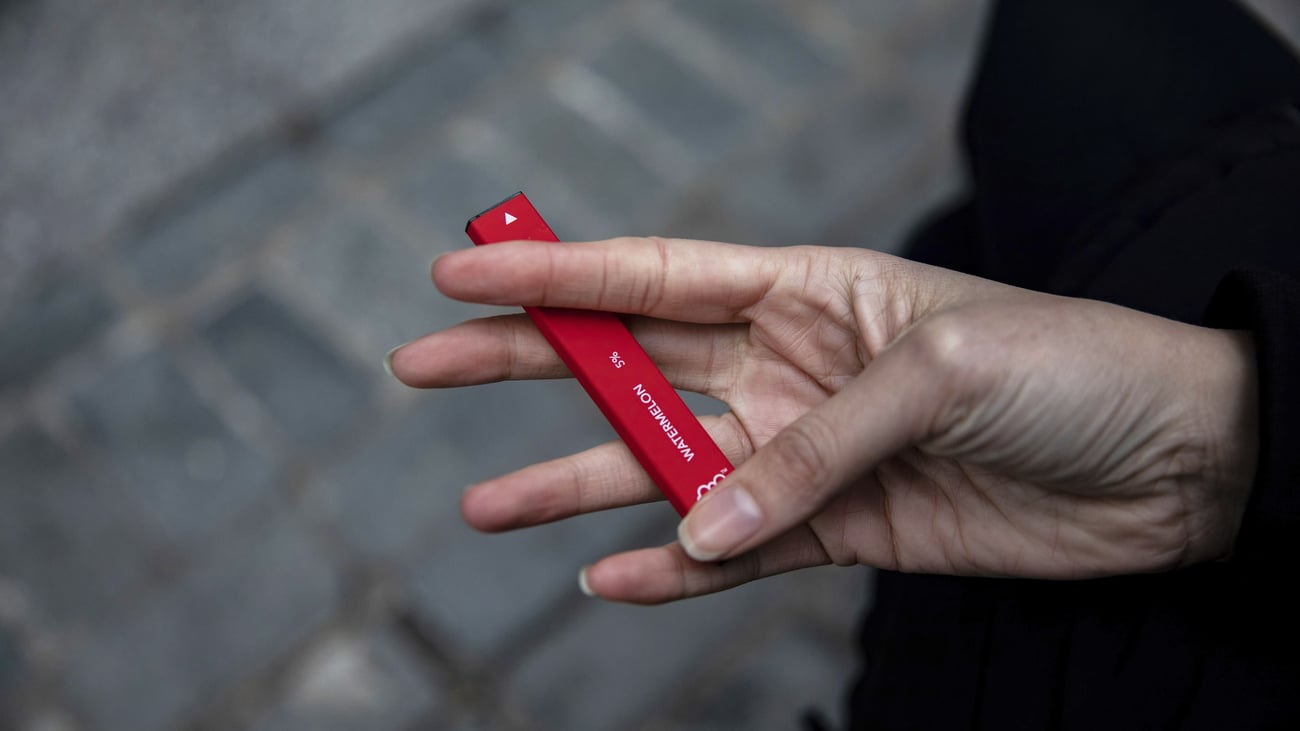
(CN) — A Fifth Circuit panel grilled the Food and Drug Administration on Tuesday on whether it went through a proper notification process before instituting a marketing requirement that vape manufacturers prove flavored vapes are better at helping smokers quit than plain tobacco-flavored vapes.
U.S. Circuit Judge Edith Jones pressed Justice Department lawyer Joshua Koppel on whether the agency had violated the Administrative Procedure Act.
“I’m not saying that vaping is a good thing,” the Ronald Reagan appointee said. “But they were arbitrarily putting hundreds of thousands of small businesses out of business, and it seems to me they ought to at least have the opportunity that the APA provided.”
The FDA denied both Wages and White Lion Investments and Vapetasia’s applications to market flavored e-liquids with names like “Iced Pineapple Express” and “Suicide Bunny Mother’s Milk and Cookies.”
The pair of plaintiff vape companies argue that what they call the FDA’s “comparative efficacy standard” — requiring proof that non-tobacco-flavored vapes are more effective than tobacco-flavored vapes at getting smokers to switch from cigarettes in order to receive marketing authorization — is a rule that the agency was legally required to go through notice and comment before adopting.
Eric Heyer, an attorney representing the vape companies, said the APA and the FDA’s own “good guidance practices” regulations required it to go through notice and comment before adopting the comparative efficacy standard.
“FDA did this in the abstract, divorced from the actual evidence of risk of youth use presented in any particular application, including the petitioners’ application,” Heyer said.
Jones seemed to agree, saying that the comparative efficacy standard wasn’t “developed in adjudication” but was instead “developed beforehand.”
“Under the test of the Fifth Circuit, if it walks like a rule and it squawks like a rule, it’s subject to notice and comment under either the APA or FDA’s good guidance,” Jones said.
Koppel argued the FDA did not engage in rulemaking beforehand but merely “adjudicated a lot of applications in a similar way,” which he argued was “good government practice.”
He said the argument that the requirement was developed outside of adjudication is based on an internal FDA memo that was rescinded, and the Supreme Court previously explicitly declined to question the FDA’s representation that it did not rely on that memo in its decisions denying the applications.
Jones expressed skepticism toward this argument, pointing out that although the FDA claimed to not rely on the memo, it used language directly from the memo in its orders denying the applications.
“A million denials use essentially the same language,” Jones said. “I agree with you, the Supreme Court very strangely said that that was rescinded and therefore played no role, but it is a fact, is it not, that in 99% of all subsequent applications, they cited to exactly the same standard or comparison?”
In 2025, the U.S. Supreme Court overturned a prior Fifth Circuit ruling that the denial of the companies’ applications was arbitrary and capricious, but it explicitly declined to rule on the issue of notice and comment.
The FDA determined in 2016 that e-cigarettes are tobacco products, meaning that under the Tobacco Control Act vape products that weren’t commercially marketed in the U.S. as of February 7, 2007 would be required to receive authorization from the FDA by showing that they are “appropriate for the protection of the public health.”
In making this determination, the act requires the FDA to consider the likelihood that a new tobacco product will get people who are already smokers to stop using existing tobacco products versus the likelihood that it will encourage non-smokers to start using tobacco products.
In 2021, the FDA issued mass denials of applications for over a million flavored vape products. The FDA found that vape products with non-tobacco flavors, such as fruit, candy or dessert flavors, pose an inherently high risk of encouraging youth to start vaping.
To overcome that, it said companies wishing to market such products needed to provide evidence specifically showing that they are more effective than tobacco-flavored vape products at getting adult smokers to switch from cigarettes to less harmful vape products.
That led to a wave of litigation challenging these denials, with vape companies arguing they weren’t given prior notice that their applications would be denied if they didn’t include that specific evidence.
U.S. Circuit Judges Leslie Southwick and Catharina Haynes, both George W. Bush appointees, joined Jones on the three-judge panel, which took the case under submission. It did not give an indication on when it would rule.
Subscribe to our free newsletters
Our weekly newsletter Closing Arguments offers the latest about ongoing trials, major litigation and rulings in courthouses around the U.S. and the world, while the monthly Under the Lights dishes the legal dirt from Hollywood, sports, Big Tech and the arts.