
 Search Articles


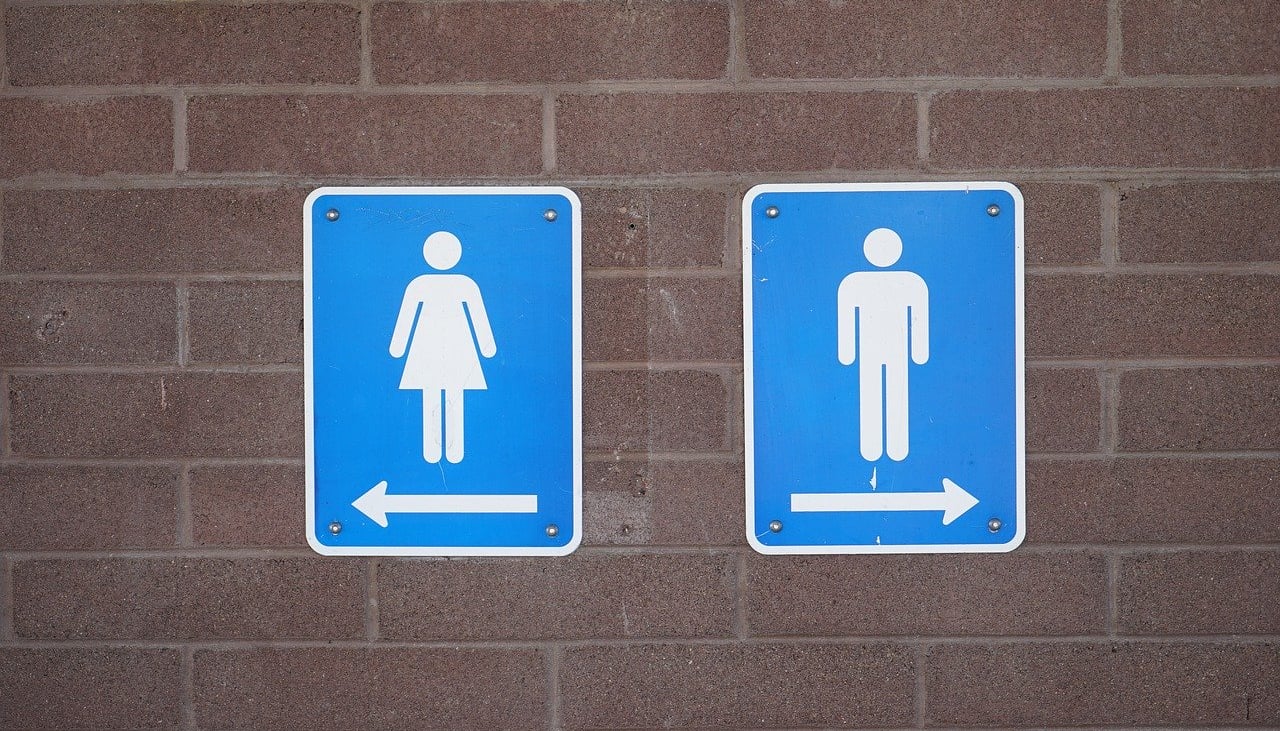
(CN) — A federal judge on Tuesday temporarily blocked an Idaho law criminalizing the use of public restrooms that do not align with one’s sex assigned at birth.
U.S. District Judge Amanda Brailsford, a Joe Biden appointee, found H.B. 752, which was set to go into effect on July 1, is likely to be found to be unconstitutionally vague and agreed to issue a preliminary injunction, barring prosecutors from enforcing the new law.
The ruling focused on a couple of exceptions to the new law, which includes penalties of up to one year in jail for the first offense and up to five years in jail for a second offense. One exception allows someone to use a single-use facility designated for the opposite sex if that is the only bathroom “reasonably available at the time.” Another permits a person to “use restroom facilities when the person is in dire need of urinating or defecating and such facility is the only facility reasonably available at the time of the person’s use.” It was those exceptions, Brailsford found, that were unconstitutionally vague.
Vague terms like “reasonably available,” the judge wrote, “leaves law enforcement to determine, on a case-by-case basis, whether a particular restroom was ‘reasonably available’ under the circumstances without guidance regarding what factors an officer should consider when making that determination.”
Though the plaintiffs are seeking to invalidate the entire law, the preliminary injunction applies only to enforcement of the law when applied to a single-user facility or in instances “when a single-user restroom is not available because no-single user restroom exists on the same floor as the multi-user facilities or all single-user restrooms on the same floor as the multi-user facilities are occupied or not in service.” The plaintiffs did not seek to enjoin the enforcement of the law as it applies to changing rooms.
“Our Constitution provides critical protections against laws that are unclear and that call on officers to make arbitrary judgments about how to enforce them, especially when the law threatens imprisonment,” said plaintiffs’ attorney Kell Olson in a written statement. “This ruling will allow transgender people throughout Idaho to find and use a public restroom, without the fear of arrest looming over them, while we continue the longer fight to permanently defeat this discriminatory law in court.”
Idaho Attorney General Raúl Labrador decried the ruling and said he would appeal.
“This is a results-driven decision that misapplies the law, confuses the issues, and misrepresents the position of the State,” Labrador said in a written statement. “Biological sex is not vague, and neither is this law.” He added: “The good news is that this ruling is narrow. Idaho’s law remains enforceable in most settings, including changing rooms and many restrooms. The injunction applies only in limited circumstances and to certain people.”
Signed in March, H.B. 752 criminalizes the act of “knowingly and willfully enter[ing] a restroom or changing room in a government-owned building or a place of public accommodation . . . that is designated for use by the opposite biological sex.” It makes Idaho one of four states, including Florida, Kansas and Utah, that have laws punishing transgender use of bathrooms with jail or prison.
In her ruling, Brailsford cited the opposition to the law by both the Idaho Fraternal Order of Police and the Idaho Chiefs Police Association, which wrote the law “presents significant practical enforcement challenges for law enforcement offices in the field.” Aside from the difficulty of determining whether or not someone is in “dire need” of using a bathroom, the law also presents challenges in determining an individual’s biological sex, at least without some kind of strip search or DNA testing, both of which require a search warrant and/or criminal conviction.
The case remains active and can proceed toward trial.
 Follow @hillelaron
Subscribe to our free newsletters
Our weekly newsletter Closing Arguments offers the latest about ongoing trials, major litigation and rulings in courthouses around the U.S. and the world, while the monthly Under the Lights dishes the legal dirt from Hollywood, sports, Big Tech and the arts.
Additional Reads

 Democrats slam Kash Patel over FBI team's lavish bonuses June 16, 2026
 Russian artist critical of Putin shot dead in Poland June 16, 2026