Search Articles


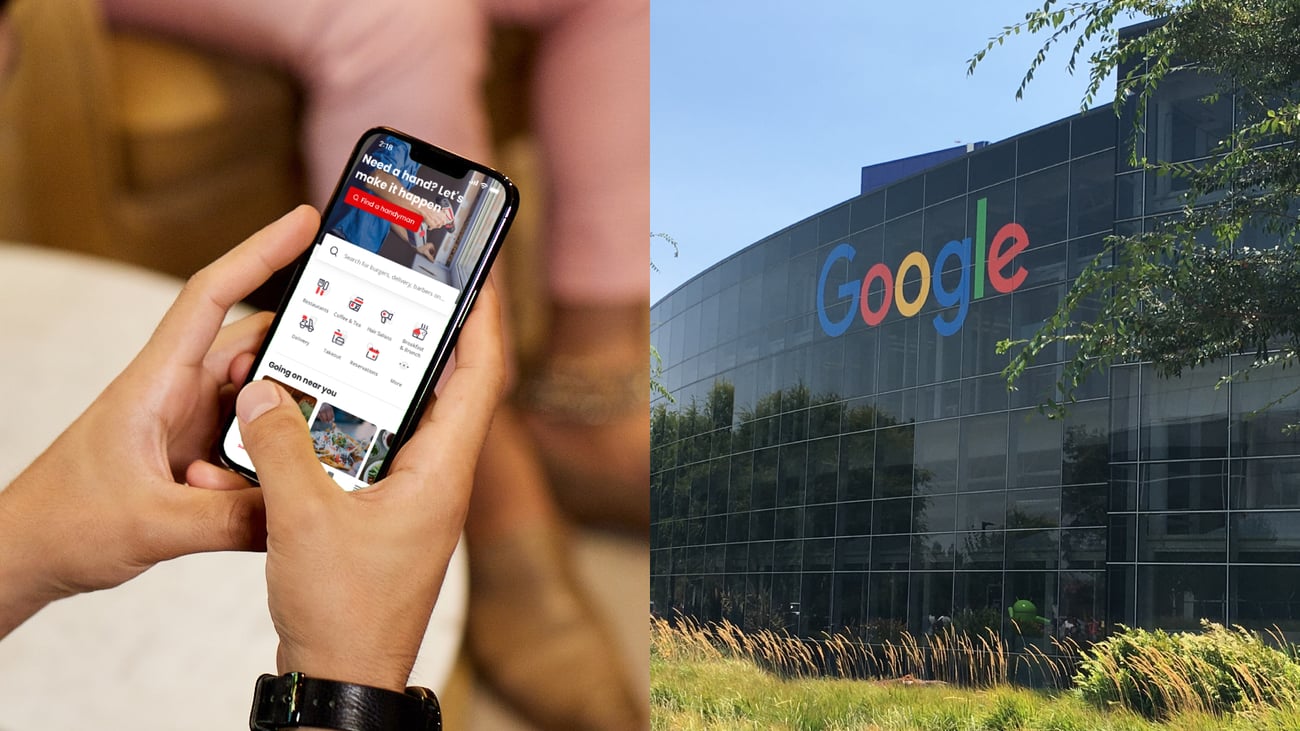
LOS ANGELES (CN) — A federal judge on Tuesday agreed to recognize another judge’s finding that Google has monopoly power in the internet search market.
The ruling effectively gives Yelp a step up in its lawsuit against the tech giant, allowing it to skip discovery on the issue. If the case gets to trial, the jury will simply be told that Google has a monopoly over internet searching, rather than Yelp having to prove it.
“We are pleased with the result, which precludes Google from re-litigating that it has long been a monopolist in general search," a Yelp spokesperson said in an email. “We look forward to continuing to present our case and showing how Google exploits its monopoly powers to harm consumers, competition, and innovation.”
Yelp, a website for rating and reviewing local businesses, has long contended that Google buries search results for websites like Yelp in favor of web pages that Google owns. In 2011, Yelp CEO Jeremy Stoppelman testified before Congress, telling lawmakers: “To date, consumers cannot find links to Yelp in Google’s merged results, belying Google’s public pronouncements that ’the competition is just one click away.”
In 2020, in the waning days of President Donald Trump’s first term in office, the U.S. Justice Department sued Google for antitrust violations, calling it the “monopoly gatekeeper for the internet” and accusing it of using “anticompetitive tactics to maintain and extend its monopolies in the markets for general search services, search advertising, and general search text advertising — the cornerstones of its empire.”
After a nine-week bench trial, U.S. District Judge Amit Mehta, a Barack Obama appointee, ruled against tech company in 2024, calling it a “monopolist” and writing that Google’s many agreements with other companies that made Google the default search engine on products like the iPhone and Samsung Galaxy have “given Google access to scale that its rivals cannot match.” Google has appealed the ruling, which is currently pending.
Yelp’s lawsuit, in many ways, has piggybacked off Mehta’s ruling, citing it a number of times during its complaint, which is seeking an unspecified amount of monetary damages, as well as “an injunction prohibiting Google from continuing to engage in the anticompetitive practices.”
Last year, the suit survived Google’s motion to dismiss and is now heading toward trial, which is currently set for September 2028.
In Tuesday’s ruling, U.S. Magistrate Judge Susan Van Keulen agreed to recognize five pages of legal determinations about the nature of internet searches and Google’s power over the marketplace.
“Yelp has met its burden to show that the GSS monopoly power issue at stake in this litigation is the same in substance as the [general search services] monopoly power issue decided in* U.S. v. Google*,” Van Keulen wrote in her 25-page ruling.
In order to win its case against Google, Yelp will have to prove Google has used its monopoly power to harm consumers and/or competition in world of local search and local search advertising — that is, the search results one gets when one is looking for, say, a local restaurant or local bicycle repair shop. According to Yelp, Google favors its own search results, like Google Maps, which has its own ratings and reviews, and disfavors results for websites like Yelp or Tripadvisor — specialized vertical providers, or SVPs, which platforms that include “structured data that is not available elsewhere and made possible only through sustained investment,” according to Yelp’s complaint.
A key part of Mehta’s ruling, which was also recognized by Van Keulen, was to point out the primary differences between general search engines, like Google, and SVPs like Yelp.
The ruling only recognizes Google’s monopoly power from the beginning of 2009 through to Aug. 5, 2024, the date of Mehta’s ruling. Any argument that its monopoly power continued beyond that must be supported by evidence to a jury.
 Follow @hillelaron
Subscribe to our free newsletters
Our weekly newsletter Closing Arguments offers the latest about ongoing trials, major litigation and rulings in courthouses around the U.S. and the world, while the monthly Under the Lights dishes the legal dirt from Hollywood, sports, Big Tech and the arts.