Search Articles


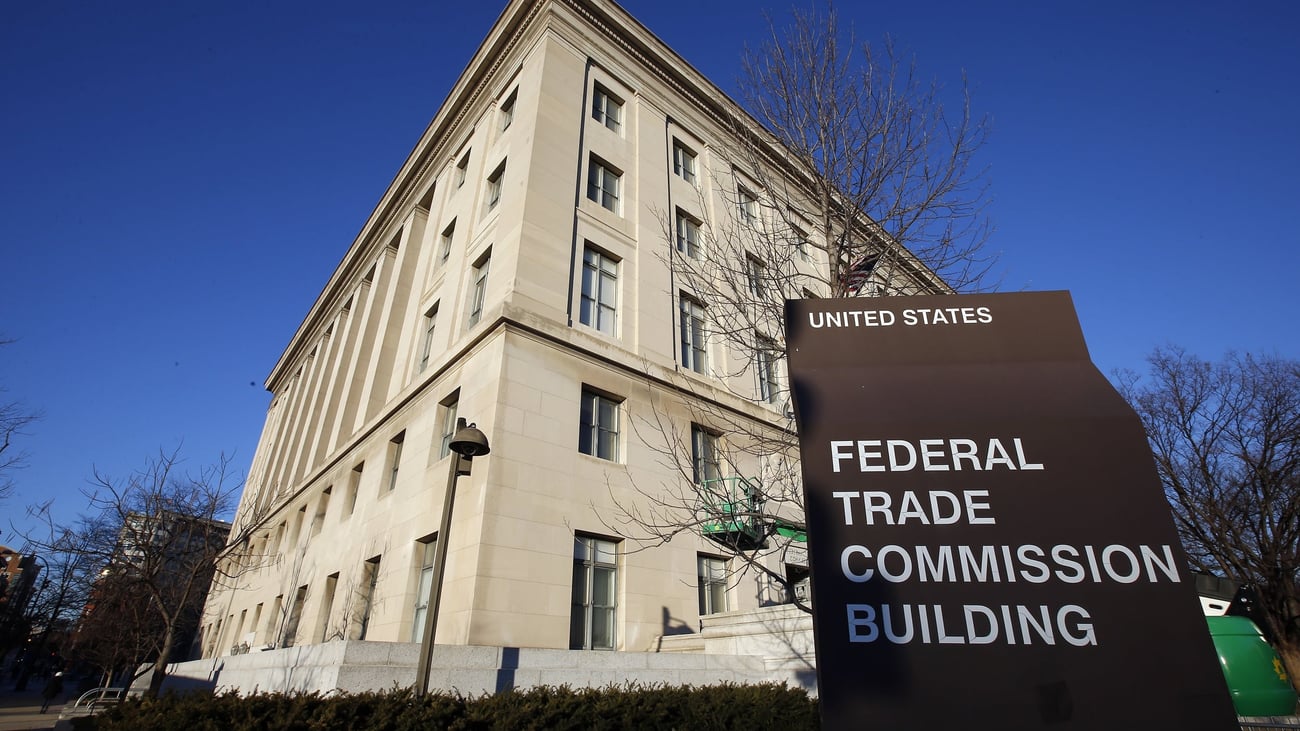
(CN) — The Federal Trade Commission sued three of the world’s largest advertising companies Wednesday, accusing them of violating antitrust laws by creating shared brand safety standards that discriminate against conservative viewpoints.
The FTC — along with the attorneys general of Florida, Indiana, Iowa, Montana, Nebraska, Texas, Utah and West Virginia — accuses Dentsu, WPP Media and Publicis of violating the Sherman Act and the Federal Trade Commission Act by coordinating through the American Association for Advertising Agencies’ Advertiser Protection Bureau and the World Federation of Advertisers’ now-defunct Global Alliance for Responsible Media.
These industry groups worked to create a set of common standards, known as a “brand safety floor,” to help advertisers avoid having their ads placed alongside potentially harmful content. In the complaint filed in the U.S. District Court for the Northern District of Texas, the plaintiffs claim this brand safety floor “demonetized advertising inventory appearing on lawful but disfavored content, including from news and political commentary publishers.”
“Both the APB and GARM established a common ‘brand safety floor’ to target ‘misinformation,’” the plaintiffs say in the complaint. “The brand safety floor resulted in reduced ad revenues for many conservative publishers; sites that fell below the brand safety floor were at risk of being passed over as ad agencies looked to spend billions of dollars to buy ad inventory on behalf of their advertiser clients. Today, the largest ad agencies control over $81 billion of ad-buying power.
“This agreement insulated the ad agencies from the competitive pressures that would otherwise have existed for them to improve and differentiate their brand-safety offerings with the goal of capturing business from each other,” the plaintiffs add. “It harmed advertisers because they lost the benefits of that competition, including better quality and lower cost brand-safety tools, and the broader reach, better targeting, and cheaper inventory that those tools would have provided in the absence of the agencies’ agreement. And, ultimately, by demonetizing certain conservative media outlets, the agreement hampered debate on some of the most consequential and hotly debated subjects of public life.”
All three of the defendant agencies have reached proposedsettlementagreements with the FTC and attorneys general, through which they don’t admit to any wrongdoing but do agree to injunctions prohibiting them from entering into or enforcing agreements with other media‑buying firms or third parties to restrict or steer advertisers’ spending based on political or ideological viewpoints, third‑party journalistic standards or diversity, equity and inclusion commitments. They also agree not to rely on inclusion or exclusion lists based on those criteria. Advertisers can still instruct the firms to place or withhold ads based on their own preferences.
The injunctions will last for 10 years, and the companies also agree to five years of oversight by FTC-approved independent monitors. The settlements still need to be approved by the court.
“As we explain in our complaint, the brand safety agreement limited competition in the market for ad-buying services and deprived advertisers of the benefits of differentiated brand-safety standards that could be tailored to their unique advertising inventory,” FTC Chairman Andrew Ferguson said in a statement. “This unlawful collusion not only damaged our marketplace, but also distorted the marketplace of ideas by discriminating against speech and ideas that fell below the unlawfully agreed-upon floor. The proposed order remedies the dangers inherent to collusive practices and restores competition to the digital news ecosystem.”
A WPP spokesperson said the company is “pleased to finalize this agreement with the FTC, which reflects our existing and ongoing commitment to provide our clients with unbiased advice as they decide where to place their media.”
Dentsu said it “remains fully committed to operating transparently, with integrity and in strict compliance with all applicable laws. Our dedication to delivering value and maintaining the highest standards of compliance is unchanged.”
Publicis did not immediately respond to a request for comment.
“Freedom of speech is foundational to American liberty. A coordinated group of woke, powerful individuals attempted to suppress that Constitutional right by manipulating ad agencies into sabotaging the reach, revenue, and credibility of conservative voices,” Texas Attorney General Ken Paxton said in a statement. “This is a deeply disturbing violation of antitrust laws and our Constitution. This was an egregious attempt to control public opinion and silence those who speak out against the liberal elites and powerful corporations. I will continue to lead the fight against viewpoint suppression and protect the speech of Americans from corrupt manipulation.”
Last month, a Texas federal judge dismissed a similar lawsuit by Elon Musk’s social media platform X, accusing the World Federation of Advertisers and major advertisers like Shell, Lego, Pinterest and CVS Health of coordinating an illegal boycott of the platform through GARM, costing the company billions of dollars in revenue. The judge said the behavior X complained of in the lawsuit did not amount to a violation of antitrust laws.
Subscribe to our free newsletters
Our weekly newsletter Closing Arguments offers the latest about ongoing trials, major litigation and rulings in courthouses around the U.S. and the world, while the monthly Under the Lights dishes the legal dirt from Hollywood, sports, Big Tech and the arts.
Additional Reads
 Little enthusiasm as Palestinians gear up for local polls April 16, 2026
 EU spells out how Google must share data with rivals April 16, 2026