Search Articles


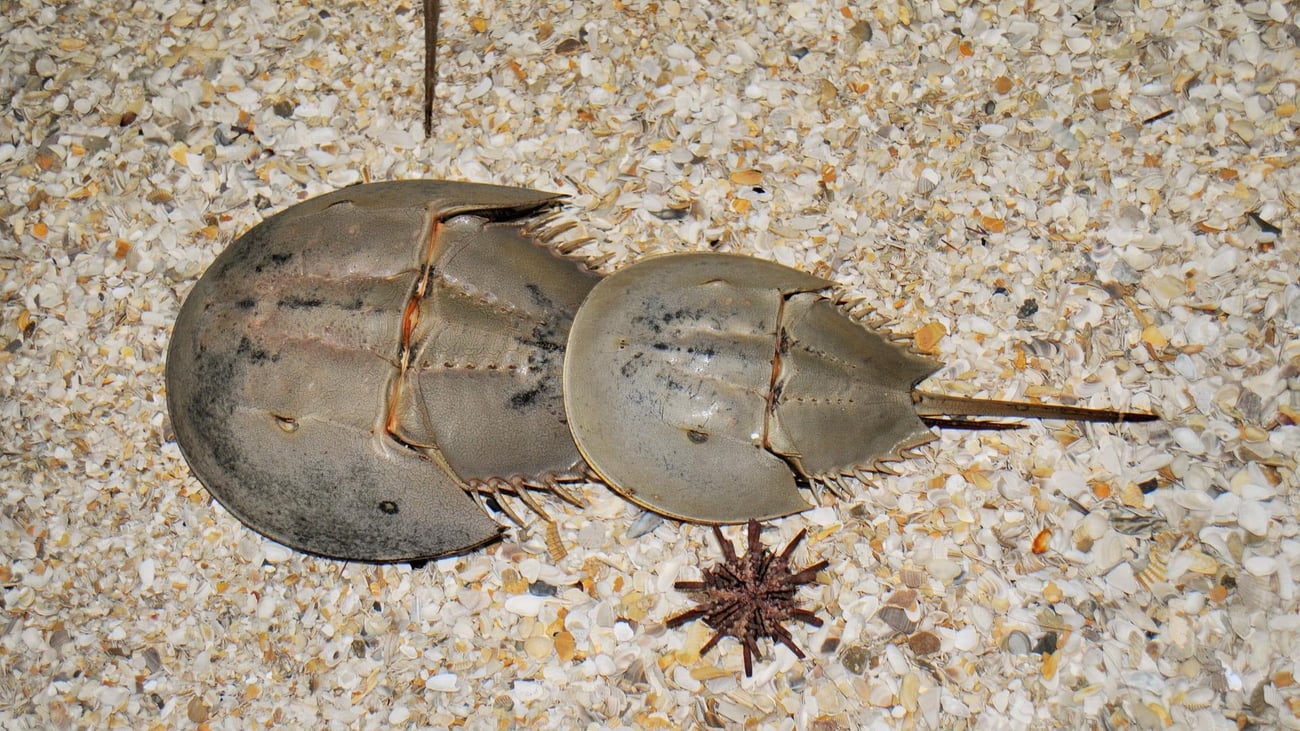
WASHINGTON (CN) — The Center for Biological Diversity sued the Trump administration on Thursday over its decision to deny endangered species protections to the ancient Atlantic horseshoe crab.
The conservation group filed the suit in U.S. District Court for the District of Columbia, seeking to overturn the National Marine Fisheries Service’s Feb. 18 decision that there was not “substantial scientific or commercial information” indicating the horseshoe crab required protections.
“The horseshoe crab is one of the oldest living species on Earth, with fossils dating back as far as 450 million years ago,”the group said. “Horseshoe crabs are often referred to as living fossils and have persisted through the ages. Until they met humans.”
Horseshoe crabs have been around for over 450 million years, making the species older than the dinosaurs themselves, who first appeared about 245 million years ago. The crabs are brown, body-armored arthropods with 10 eyes and a long, spiked tail.
The horseshoe crab lives in shallow estuaries and offshore habitats along the Atlantic coast from northern Maine to Florida, the Gulf coast from Florida to Louisiana and the Yucatán Peninsula.
The conservation group is requesting a federal judge order the Fisheries Service to make a new finding to remedy violations of the Endangered Species Act and the Administrative Procedure Act.
Danny Waltz, a senior attorney for the Center for Biological Diversity, slammed the Trump administration’s denial in a statement but expressed hope the courts would provide the necessary relief.
“Horseshoe crabs have survived meteor impacts and ice ages but they’re facing their biggest threat yet: us,” Waltz said. “It’s deeply upsetting that the Trump administration is unwilling to save these living fossils from extinction.”
In 2024, the Center for Biological Diversity and 25 other conservation organizations petitioned the Fisheries Service to enact protections under the Endangered Species Act, citing significant threats to the population from habitat loss and overharvesting.
According to the group, the Fisheries Service wrongfully relied on outside information and divided the Mid-Atlantic region to reject listing both the New York and Delaware Bay populations as a significant portion of the species’ range.
Since the 1990s, the Delaware Bay horseshoe crab population has fallen by two-thirds.
Horseshoe crab blood — unique for its bright blue coloring — is highly sought by the medical and pharmaceutical industries for their value in vaccine testing. It contains immune cells sensitive to toxic bacteria, making them perfect for testing new vaccines for contamination.
According to the Atlantic States Marine Fisheries Commission, approximately 15% of crabs die as a result of the bleeding process.
The Center for Biological Diversity highlights in the lawsuit that horseshoe crab populations have dropped over 70% in recent decades due to such biomedical harvesting. Such harvesting has doubled domestically in the past seven years, with more than 1 million horseshoe crabs harvested in 2024.
The creatures are also harvested for use as bait by commercial snail and eel fisheries.
“Horseshoe crabs are vital to coastal animals and communities, and they are vanishing from our shores on our watch,” Waltz said. “Fortunately, the Endangered Species Act can save horseshoe crabs, but only if the Trump administration does the right thing and grants them lifesaving protections.”
With the horseshoe crab’s population declining, species like endangered sea turtles and shorebirds who feed on them have also suffered.
The red knot, a bird that feeds on horseshoe crab eggs during their 19,000-mile migration from South America to the Arctic and back, was listed as threatened under the Endangered Species Act in 2015. The 2015 listing relied in part on the fact horseshoe crab overharvesting has contributed to the species’ decline.
 Follow @Ryan_Knappy
Subscribe to our free newsletters
Our weekly newsletter Closing Arguments offers the latest about ongoing trials, major litigation and rulings in courthouses around the U.S. and the world, while the monthly Under the Lights dishes the legal dirt from Hollywood, sports, Big Tech and the arts.