
 Search Articles


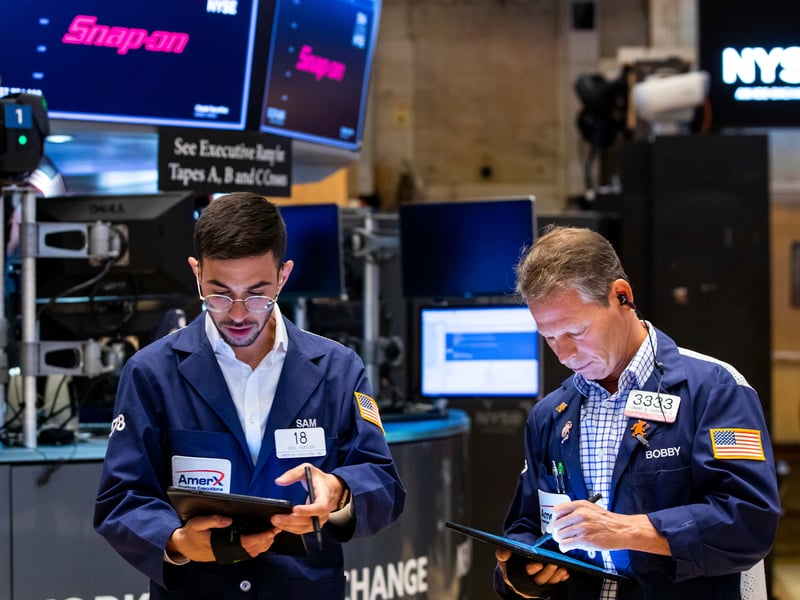
MANHATTAN (CN) — The tech-fueled boom market on Wall Street continued this week in the face of the ongoing government shutdown and hawkish commentary from the Federal Reserve.
Earnings from tech giants like Amazon, Google and Microsoft this week gave the bull market further energy, though some analysts wonder if the bottom will drop out soon.
“On the surface, equity markets, particularly in the U.S., continue to be propelled forward, fueled by a technological arms race that promises to reshape productivity,” Christopher Gildea at Tower Bridge Advisors wrote in an investor’s note. “Yet, beneath this headline strength, the foundation of the broad economy is showing significant fractures.”
Stocks dipped midweek after the Federal Reserve cut interest rates, but the Fed signaled that further reductions this year were not certain. Markets rebounded by Friday, with the Dow Jones Industrial Average up 355 points, the S&P 500 gaining 49 and the Nasdaq rising 520.
The Fed’s 0.25% rate cut on Wednesday, its second this year, was widely expected. But investors reacted negatively to Chair Jerome Powell’s caution that another cut at the December meeting was not guaranteed.
“A further reduction of the policy rate in December is not a foregone conclusion,” Powell told reporters in a press conference after the rate cut announcement. “In fact, far from it.”
Powell explained how there were” strongly different views” on the 12-member Federal Open Market Committee on whether to cut rates again. The current federal funds rate is 3.75% to 4%.
The Federal Reserve’s rate debate is complicated by the ongoing federal government shutdown, now in its fifth week. Powell said the shutdown will “weigh on economic activity while it persists, but these effects should reverse after the shutdown ends.”
The shutdown has cost government contractors an estimated $12 billion and delayed key economic reports, including third-quarter GDP, inflation data and weekly unemployment reports. It has also hurt consumer sentiment, according to the Conference Board’s latest confidence index.
“The longer it persists, the more likely it is that confidence will continue to decline, as federal workers and private government contractors go without pay,” Grace Swemmer, economist at Oxford Economics, wrote in an investor’s note after the index was released.
The index fell by just one point in October to 94.6 points. The board’s “expectations index” fell a bit more, declining nearly three points, and still sits well below the 80-point threshold that indicates a recession ahead.
“Consumers were a bit more pessimistic about future job availability and future business conditions while optimism about future income retreated slightly,” Stephanie Guichard, senior economist at the board, said in a statement.
The board’s labor measure continues to indicate that unemployment will rise in the months ahead, while consumer feedback indicates inflation and tariffs remain elevated concerns.
 Follow @NickRummell
Subscribe to our free newsletters
Our weekly newsletter Closing Arguments offers the latest about ongoing trials, major litigation and rulings in courthouses around the U.S. and the world, while the monthly Under the Lights dishes the legal dirt from Hollywood, sports, Big Tech and the arts.