
 Search Articles


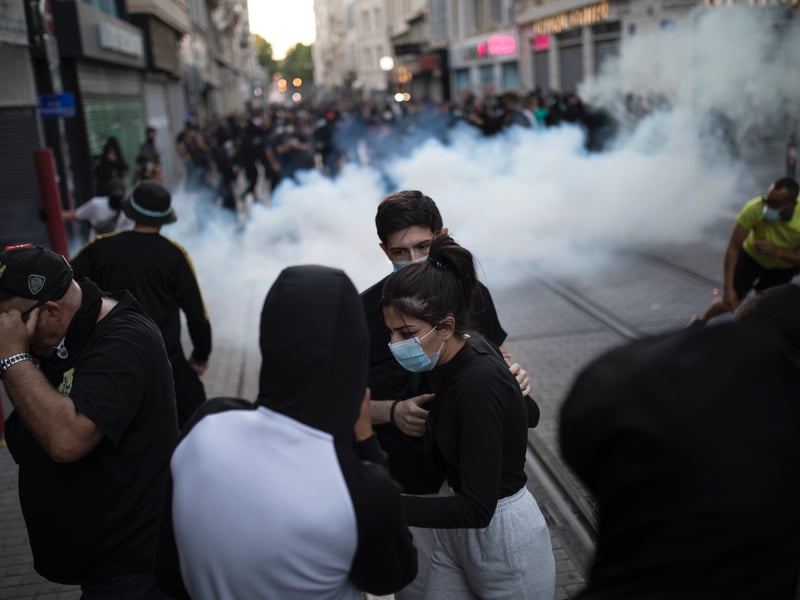
PARIS (AFP) — France’s highest administrative court on Monday overturned the requirement for a police authorization to hold a demonstration, a procedure imposed as part of measures to combat the coronavirus.
After receiving complaints from labor unions and associations, the Council of State said that the mandatory authorization may “disproportionately harm the right to demonstrate.”
But the court maintained the ban on gatherings over 5,000 people, which it considered “justified in light of current sanitary conditions.”
The Council of State suspended a blanket ban on demonstrations on June 13, which stemmed from a law forbidding gatherings of over 10 people as part of Covid-19 measures.
Taking note of the ruling, now former prime minister Edouard Philippe softened the blanket ban in order to allow demonstrations given express authorization by the police and where people respect social distancing measures.
But the Council of State ruled that the decree was “excessive.”
Judges said that in normal times, the organizers of demonstrations must notify the authorities and the head of police can then forbid those they believe are going to cause public disorder.
But this decree “turns this logic on its head,” judges said, “because all demonstrations are forbidden until they are allowed by the police.”
The court also said that because there were no time constraints as to when the police had to render a decision, the timing could be too tight to allow the organizers time to contest the decision before the courts.
© Agence France-Presse
Subscribe to our free newsletters
Our weekly newsletter Closing Arguments offers the latest about ongoing trials, major litigation and rulings in courthouses around the U.S. and the world, while the monthly Under the Lights dishes the legal dirt from Hollywood, sports, Big Tech and the arts.