
 Search Articles


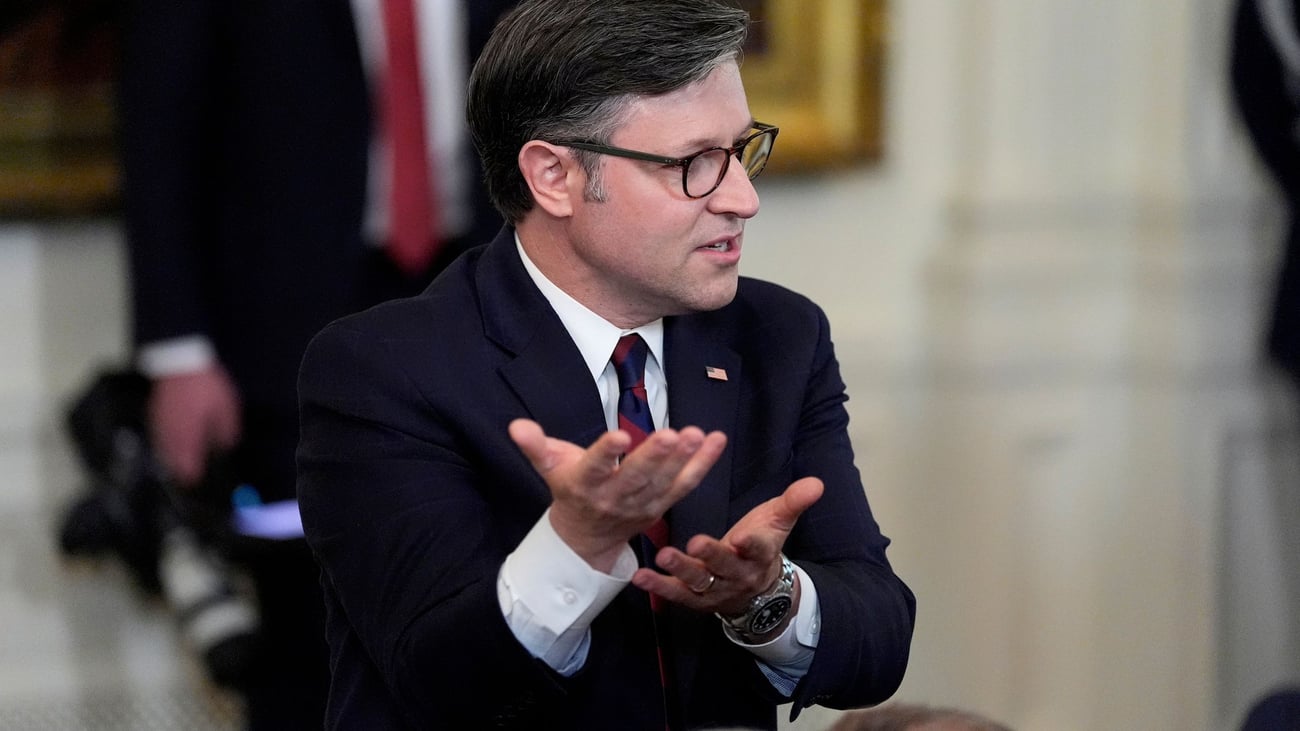
WASHINGTON (CN) — The House on Tuesday evening passed a multibillion-dollar budget reconciliation package funding President Donald Trump’s immigration enforcement priorities through the end of his second term, rising above some intraparty squabbling and steamrolling Democratic opposition.
The $70 billion spending bill, which funds U.S. Immigration and Customs Enforcement and Border Patrol operations, cleared the lower chamber on a 214-212 vote just days after the Senate struggled to approve it amid bipartisan efforts to block a moribund “anti-weaponization” fund championed by the president.
Congress has for months negotiated its second budget reconciliation measure under the Trump administration — this one the result of a two-part agreement which ended a protracted shutdown of the Homeland Security Department this spring. The bill funds the agency’s immigration enforcement programs, left out of an earlier appropriations bill greenlighting the rest of the DHS budget.
In the House, the reconciliation bill faced its greatest challenge from the right flank, as some Republicans attempted to extract more border control provisions from the measure. The chamber narrowly cleared a procedural hurdle on the bill, following extensive negotiations between House Speaker Mike Johnson and several of the GOP holdouts.
Speaking to reporters ahead of a final vote Tuesday afternoon, Texas Representative Chip Roy — who initially opposed efforts to advance the reconciliation bill — said that he’d had “some good conversations” with party leadership about what he said was the need to codify more of the Trump administration’s immigration policy.
“If you’re removing people and then they are ultimately going to come back under the failed policies of abusing parole and asylum that was under the previous administration — we clearly want to see that kind of movement,” said Roy.
The Texas congressman ultimately voted to approve the reconciliation measure.
Much like in the Senate, House Republicans only needed to approve the bill on a simple majority vote, thanks to congressional rules governing such reconciliation packages. Still, they struggled to achieve those numbers Tuesday evening, tying the ballot briefly at 213-213 before convincing Michigan Representative Tim Walberg to change his vote.
Walberg was the only GOP vote against the measure. California Representative Kevin Kiley, who recently switched his party affiliation from Republican to Independent, also voted against the bill alongside every Democrat.
The House put its stamp on the reconciliation package just days after the Senate, which had initially set itself a June 1 deadline to approve the must-pass measure.
But things hit a snag in the upper chamber late last month, when the Justice Department announced it had created a roughly $1.8 billion slush fund it would use to pay out damages to victims of so-called “government weaponization.”
The fund, which emerged from a settlement between Trump and the Internal Revenue Service, was met with skepticism even by Republican lawmakers, some of whom worried that payments from the program would be made available to violent criminals, such as those convicted of assaulting police officers during the Jan. 6, 2021, Capitol riot. Party leadership held off on a reconciliation vote last month after a tense meeting between Senate Republicans and acting Attorney General Todd Blanche who failed to assuage concerns about the fund.
Blanche later backtracked on the weaponization fund, but concerns remained about whether the Trump administration would still move forward with some effort to compensate Capitol rioters or other people claiming government weaponization. The president himself has recently suggested that he wanted the fund to move forward.
Senators from both parties last week attempted to pass amendments to the budget reconciliation bill that would have blocked the $1.8 billion fund for good, most notably North Carolina Senator Thom Tillis and Louisiana Senator Bill Cassidy, both Republicans. But the upper chamber refused to approve any change to the measure that slapped guardrails on the since-abandoned Justice Department program.
In a scathing letter to his colleagues reported Tuesday, Tillis accused them of making an “unforced error” and missing an opportunity to remove a “political albatross” from GOP lawmakers facing tough reelection fights.
“I cannot understand why a supermajority of our conference voted against the side-by-side I offered,” the North Carolina senator said of his amendment, which would have ended the weaponization fund and transferred its cash to the Justice Department’s new antifraud division.
“In my opinion, last week’s vote was a net loss for in-cycle members,” said Tillis. “I am not diminishing the importance of funding DHS, but the ‘gain’ from that will not offset the ‘pain’ we’ve created in key races.”
 Follow @BenjaminSWeiss
Subscribe to our free newsletters
Our weekly newsletter Closing Arguments offers the latest about ongoing trials, major litigation and rulings in courthouses around the U.S. and the world, while the monthly Under the Lights dishes the legal dirt from Hollywood, sports, Big Tech and the arts.
Additional Reads


 Trump seeks to continue BBC defamation suit June 9, 2026