
 Search Articles


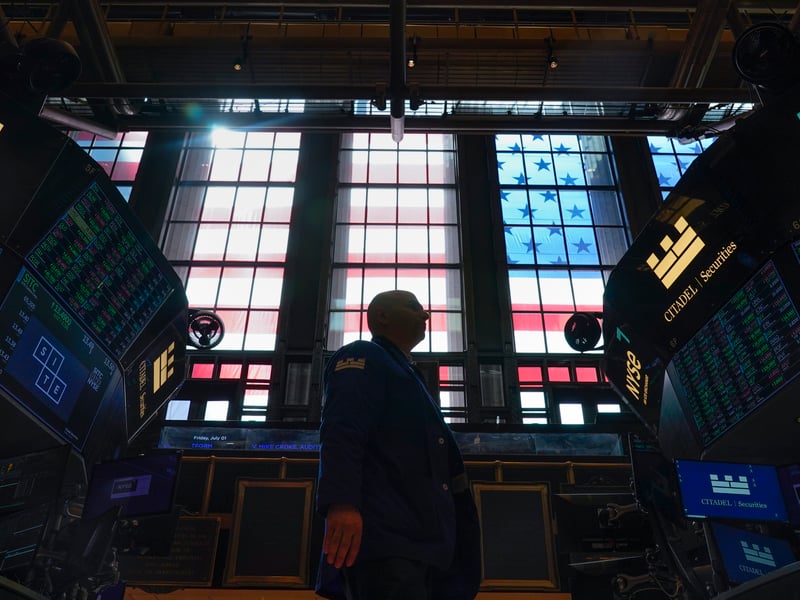
MANHATTAN (CN) — The near-guarantee of an interest rate cut, spurred by this week’s inflation data, had Wall Street setting new records once again.
The one-two punch of consumer and producer prices showed inflation is on the upswing, but not quite enough to dissuade the Federal Reserve from cutting interest rates when it meets next week.
In the August producer price index, which tracks how much manufacturers pay for goods, surprisingly fell by 0.1% compared with the expected 0.2% gain. However, the corresponding consumer price index rose by 0.4%, hotter than analysts had predicted.
Digging into the CPI, food and energy prices saw the largest increases, with a 0.6% month-over-month increase in grocery prices, the largest since August 2022. Gasoline prices rocketed up by 1.9%, while overall energy prices increased by 0.7%.
The inflation reports convinced investors the Federal Reserve will cut the federal funds rate by 0.25% when it meets next week, with an outside chance of a 0.5% cut. The current interest rate sits at 4.25% to 4.5%.
“The last bolt on the gate has fallen out and the rate-cutting horse is about to leave the barn,” said Chris Zaccarelli, chief investment officer at Northlight Asset Management. “It’s surprising to see how quickly the narrative has shifted” from whether a cut happens to how many cuts will happen, he added.
Markets rallied Thursday after the CPI was released, setting new records. By the closing bell Friday, the Dow Jones Industrial Average picked up 434 points to hit a new high point of 45,834 points. The S&P 500 and Nasdaq also set new records, gaining 103 points and 441 points for the week, respectively.
Main Street is in a wait-and-see mode on the economy, particularly with the weak employment data lately. Optimism among small businesses improved again, according to the National Federation of Independent Business, whose index increased 0.5 points last month.
However, the group’s “uncertainty index” remains “well above” the historical average, with owners unsure about financing and capital expenditures. NFIB chief economist Bill Dunkelberg said in a statement that “more owners [are] reporting stronger sales expectations and improved earnings,” though “labor quality remained the top issue on Main Street.”
Labor also was the main concern among those surveyed by the Federal Reserve Bank of New York, whose monthly consumer survey showed a big drop among those expecting to find a job if one’s current job was lost. This marks the lowest reading for that question in the survey since June 2013, and the decline was across all demographics.
The job market has taken several hits in recent weeks, from back-to-back employmentreports that missed the mark to this week’s revision that showed more than 900,000 fewer jobs were added over the past 12 months than previously stated.
Unemployment is also quietly creeping up, with the latest report from the Labor Department showing 263,000 initial claims for the week ending September 6, the highest seen since October 2021. Initial claims have been steadily rising since early August after dropping the prior two months.
Bill Adams, chief economist at Comerica Bank, cautioned jobless claims around the Labor Day holiday traditionally are volatile but warned the overall jobs market “is looking the wobbliest since the pandemic.”
 Follow @NickRummell
Subscribe to our free newsletters
Our weekly newsletter Closing Arguments offers the latest about ongoing trials, major litigation and rulings in courthouses around the U.S. and the world, while the monthly Under the Lights dishes the legal dirt from Hollywood, sports, Big Tech and the arts.