Search Articles


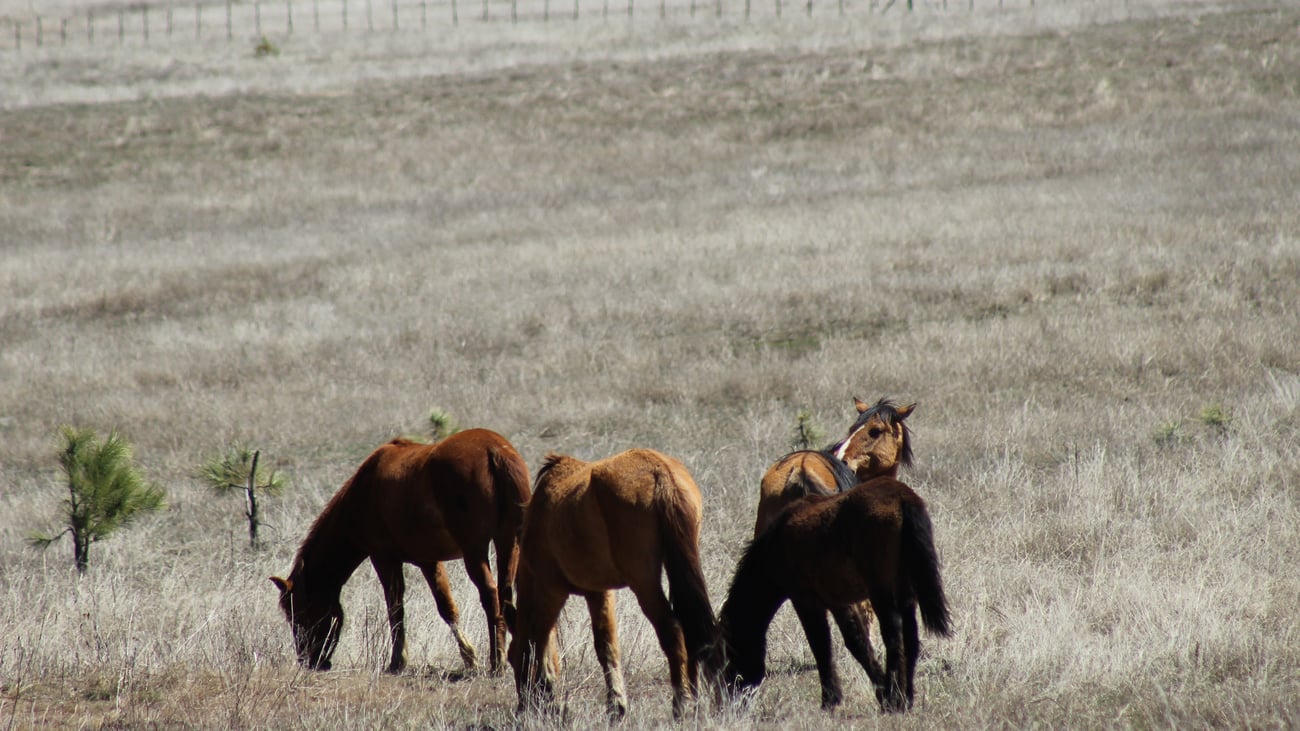
(CN) — A federal judge on Thursday blocked the federal government from rounding up free-roaming horses in a national forest spanning Arizona and New Mexico while a lawsuit challenging the removals proceeds.
U.S. District Judge Krissa Lanham granted a preliminary injunction to the International Society for the Protection of Mustangs and Burros, barring federal agencies from classifying the horses as “unauthorized livestock,” “ferals” or “strays” and preventing them from capturing and removing unbranded or unclaimed horses within the Apache-Sitgreaves National Forests.
The dispute dates back two decades. In 2005, a federal court issued a preliminary injunction halting horse roundups, and in 2007, the wild horse organization and the U.S. Forest Service agreed to develop a management plan for any removals from the Heber Wild Horse Territory. The agreement called for coordination with the White Mountain Apache Tribe to maintain and repair a boundary fence.
In 2020, the Forest Service proposed a management plan that the plaintiffs say violated that agreement because it departed from the negotiated terms, bypassed public input and relied on an inadequate environmental review. The agency approved the plan in January 2026, and in April declared all horses in the forest “unauthorized livestock” subject to removal and impoundment, with the possibility they could later be sold at auction and slaughtered.
“Dramatic changes in agency policy like these usually require very clear explanations in justification,” Lanham, a Joe Biden appointee, wrote. “But the April letter did not even mention the [environmental assessment], let alone justify USFS’s seismic position shift.”
The Forest Service argued the management plan and environmental assessment addressed only the management of protected wild horses, if any existed, while the April declaration resolved the separate question of whether the animals qualified as wild horses protected under federal law.
Lanham rejected that argument.
“Given the environmental assessment’s statement that no conclusive information existed to allow a determination these were not protected horses, it is not clear how this question could be distinct,” she wrote. “But even if it was, secretly conducting a post-environmental assessment ‘comprehensive review of the historical information and data provided by the public’ during the environmental assessment’s public-comment process would raise a host of other problems for USFS.”
The wild horse organization obtained a temporary restraining order in April preventing federal agencies and third-party ranchers from removing the horses through July 15.
The organization contends the horses are protected under the 1971 Wild Free-Roaming Horses and Burros Act, which established the Heber Wild Horse Territory within the Arizona portion of the Apache-Sitgreaves National Forests. The plaintiffs claim the Forest Service violated the Administrative Procedure Act, the National Environmental Policy and the parties’ 2007 agreement by declaring the horses unauthorized livestock.
An International Society for the Protection of Mustangs and Burros representative called the ruling “a critical first step in protecting the Heber wild horses.”
The status of wild horses in the Heber Wild Horse Territory has been disputed for decades, particularly after the 2011 Wallow Fire burned more than 500,000 acres and destroyed 19 miles of fencing. Since then, the origin and legal status of horses roaming the forest have remained contested.
Lanham concluded the potential harm to the horses outweighed the Forest Service’s concerns that they reduce forage and degrade habitat.
“Evidence is sufficient to suggest at least some removed horses will be killed, which constitutes irreparable harm,” she wrote.
The U.S. Forest Service did not immediately respond to a request for comment.
Subscribe to our free newsletters
Our weekly newsletter Closing Arguments offers the latest about ongoing trials, major litigation and rulings in courthouses around the U.S. and the world, while the monthly Under the Lights dishes the legal dirt from Hollywood, sports, Big Tech and the arts.