Search Articles


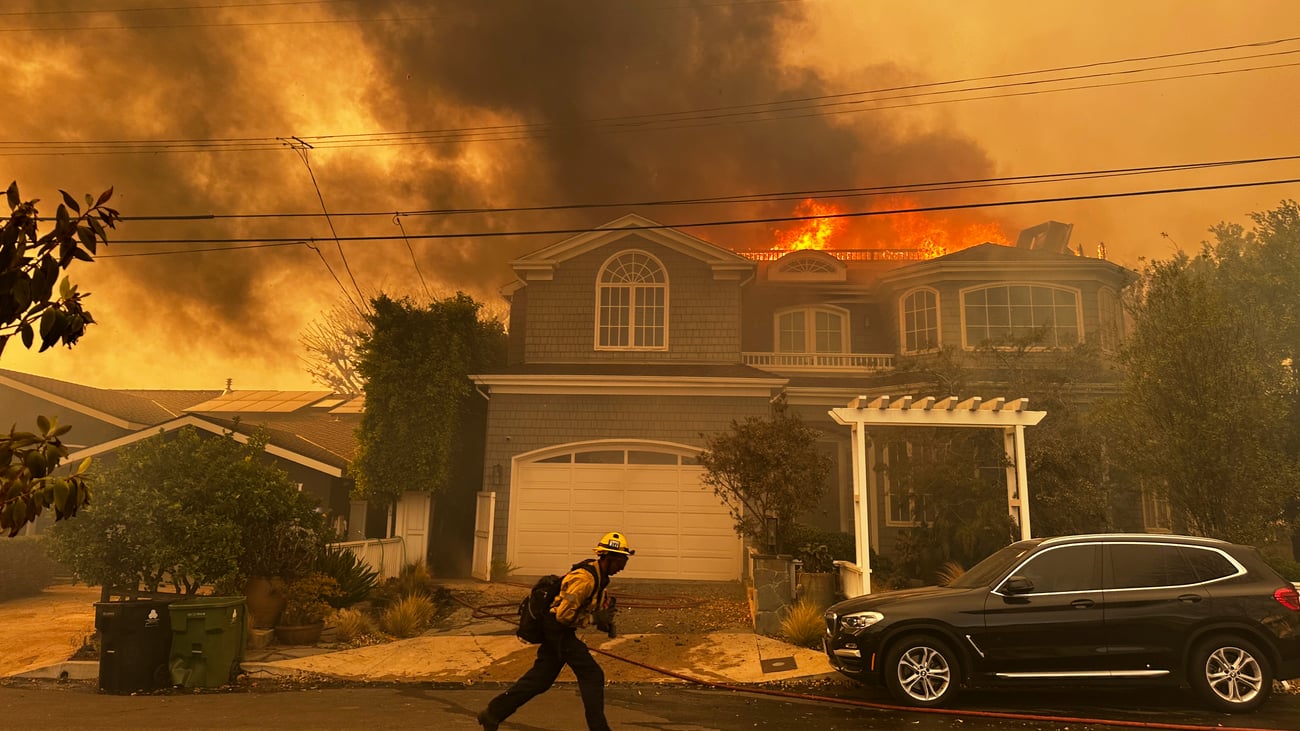
LOS ANGELES (CN) — A California judge indicated Tuesday she would likely reject a petition by a nonprofit to block California from allowing insurance companies to recoup losses suffered during the January 2025 wildfires by hitting customers with special onetime fees.
Under a policy directive by California Insurance Commissioner Ricardo Lara, every holder of casualty and property insurance — essentially every homeowner, who by law must purchase property insurance — is set to be assessed a fee, likely between $10 and $50, to reimburse insurance companies for losses incurred in the wake of the deadly fires. But the nonprofit Consumer Watchdog asked a judge to block Lara’s directive, arguing the “pass-throughs” are illegal because the insurance code doesn’t specifically provide for them.
On Tuesday, Los Angeles County Superior Court Judge Tania Murillo expressed skepticism at that argument.
“The Legislature didn’t expressly say it — you’re asking me to read that as a limitation on what the insurance commissioner can do,” Murillo told the advocacy’ group’s attorney. “That’s a big ask.”
The California FAIR plan was created in 1968 to act as an insurer of last resort for properties that would otherwise be too risky or expensive or insure. Every property and casualty insurer in the state is required to participate, sharing both profits and losses in proportion to their market. If the plan, which sells customers basic policies and collects premiums, runs out of money it can issue a special assessment to insurance companies, subject to approval by the state’s insurance commissioner.
The plan was hit with $1 billion in losses after the catastrophic fires that wiped out the Pacific Palisades and Altadena, which killed at least 31 people and destroyed at least 18,000 homes. Lara authorized the assessment, the first of its kind in more than 30 years, but also issued another bulletin allowing the insurance companies to pass nearly half the assessment, $420 million, onto consumers — all consumers, regardless of where their properties are.
“The department’s scheme charges ordinary homeowners and renters for a financial obligation imposed by statute on insurers, with no corresponding benefit to those consumers for the surcharge,” Consumer Watchdog says in its complaint. “It effectively makes California consumers reinsurers of the companies they are insured by.”
But in her tentative ruling, Murillo wrote: “Nothing in that statutory text conditions an insurer’s proportional share of FAIR Plan expenses on ultimately absorbing those costs rather than paying them initially.”
Consumer Watchdog attorney Ryan Mellino argued it’s unfair to allow insurance companies to profit from the FAIR plan even as they wriggle free from losses. He also argued the plan pass-throughs are barred by the insurance code.
“Can you point to the words in insurance code?” Murillo asked. “What is it in the statute that prevents them from doing that?”
Mellino pointed to the provision that reads: “Under the plan, an insurer shall participate in the writings, expenses, profits, and losses of the association in the proportion that its premiums written during the second preceding calendar year bear to the aggregate premiums written by all insurers in the program.”
“You are arguing that ‘participating’ means permanently absorbing those?” Murillo asked, doubtful. “And they can never recoup them from policyholders?”
Mellino said they could recoup losses but only by raising insurance rates, which can only be done through a rather onerous application process and subject to review by the insurance commission.
Murillo said she would issue a formal ruling soon, an indication, perhaps, that she is disinclined to significantly alter her tentative ruling to deny Consumer Watchdog’s petition.
When asked after the hearing if the nonprofit would appeal the ruling should it go against them, Mellino replied, “That’s certainly our intention.”
 Follow @hillelaron
Subscribe to our free newsletters
Our weekly newsletter Closing Arguments offers the latest about ongoing trials, major litigation and rulings in courthouses around the U.S. and the world, while the monthly Under the Lights dishes the legal dirt from Hollywood, sports, Big Tech and the arts.
Additional Reads
 West African deportees sue over US expulsions to Ghana June 30, 2026
 Supreme Court to review bans on AR-15s June 30, 2026