
 Search Articles


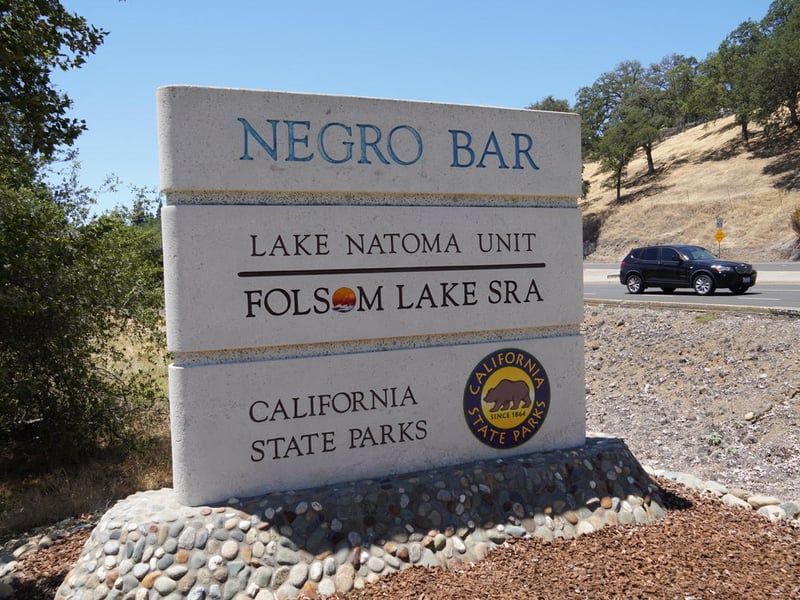
SACRAMENTO, Calif. (CN) — California State Park and Recreation Commission voted unanimously on Friday to renamed Negro Bar Day-Use Area in the Folsom Lake State Recreation Area to the Black Miners Bar Day-Use Area on a temporary basis until a permanent name is chosen.
The Black Miners Bar Day-Use Area is a stretch along the American River just below Folsom Dam and across the river from downtown historic Folsom.
The area has been used by different groups of people across thousands of years beginning with the Native Americans, then Spanish immigrants and then miners chasing prosperity during the Gold Rush in 1849. The area was known during the Gold Rush as a place where African-Americans searched for gold. Newspapers and publications in the early 1850s referred to it as “Negro Bar” through the rest of the century.
Steve Hilton, supervisor in the cultural resources program in the California Department of Parks and Recreation, told the Commission the area where African-Americans originally settled during the Gold Rush was on the south side of the American River, near downtown Folsom and appeared on early maps of the area.
In the early 20th century the United States Geologic Survey decided to move the name of the bar to the north side of the river — the area was known as “Main Bar” — and initially called it “Nigger Bar” until the name changed back to “Negro Bar” in the 1950s when President Harry Truman signed a number of federal laws outlawing the use of that word on signage in federal recreation areas and parks.
“We are seeking guidance from the Commission on where we go from here,” said Hilton. “There are some in the community who seek to keep the name and others who desire to see it changed. What all stakeholders agree on is that more needs to be done in communicating the history of the people who lived in the area to the wider community.”
As part of the renaming process, the California Department of Parks and Recreation is designing a number of new interpretive signs to be installed in the day-use area explaining the history of the people who settled in the area.
Hilton said this process is part of the department’s larger overall program of “Re-examining Our Past,” where the department is working on making sure the story of minorities, Native Americans and others are told through the state park system.
“Stakeholders felt in the meetings that have been held that the current name does not offer any indication of the contributions to history of the community that lived in the area,” said Hilton.
He indicated no matter which name the Commission decided on, the department would still be focused on telling the story of the area through research and working with stakeholders.
The next step with the temporary name change is for the department to continue meeting with the stakeholders, continue to conduct research about the communities that called the area home; this is a difficult and time consuming process as there have been very few books or article written about the Native American or African-American community that lived near that area. Much of the work requires visits to archives and taking the time to search through voluminous records.
The goal is to come back to the Commission at some point in the future with a permanent name that the stakeholders agree on which helps tell the story about the people who settled and lived in the area.
Subscribe to our free newsletters
Our weekly newsletter Closing Arguments offers the latest about ongoing trials, major litigation and rulings in courthouses around the U.S. and the world, while the monthly Under the Lights dishes the legal dirt from Hollywood, sports, Big Tech and the arts.