
 Search Articles


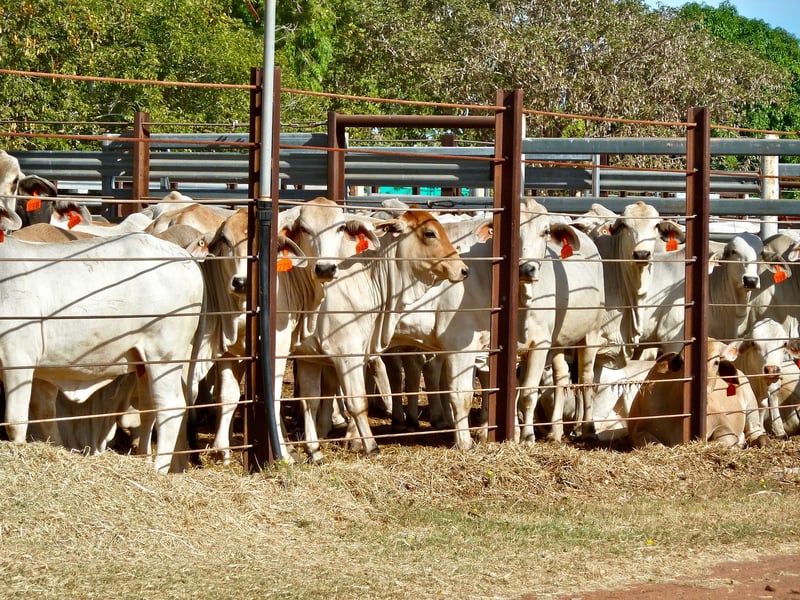
(CN) — A Ninth Circuit panel sided with the U.S. Environmental Protection Agency on Wednesday by declining to review the agency’s denial of a petition challenging pollution rules for large-scale cattle feedlots.
At the heart of the issue is the EPA’s rules for concentrated animal feeding operations, also known as CAFOs, which the advocacy group Food & Water Watch and 12 other environmental nonprofits argued weren’t addressing unlawful discharge of animal waste and manure into waterways.
The groups petitioned the EPA in 2017 to revisit those rules, arguing they are insufficient to address the pollution challenges posed by the feedlots. The EPA denied that petition in August 2023, prompting the petitioners to appeal to the Ninth Circuit the following month.
The appeals court, however, did not find the agency acted out of line.
“Here, EPA did not act unreasonably when it refused to take petitioners’ requested action to further regulate CAFOs,” the three-judge panel wrote in a memorandum issued Wednesday. U.S. Circuit Judge Salvador Mendoza Jr., a Joe Biden appointee, and Senior U.S. Circuit Judges Jay Bybee and Carlos Bea, both George W. Bush appointees, made up the panel.
When the EPA denied the petition, it acknowledged the feedlots may be behind unlawful water pollution but disagreed with the petitioners’ proposed actions.
“The agency recognizes that there may be opportunities to do more to address these pollutants,” the EPA wrote in its petition denial response. The agency also recognized that federal and agency staff experienced challenges “effectively implementing and assuring compliance” with the regulations as they currently stand.
Specifically, the petitioners wanted the agency to make sure that all discharging feedlots obtain permits, to remove agricultural stormwater exemptions, to address the “lax requirements” with National Pollutant Discharge Elimination System permits and to make several other revisions to existing regulations.
During an oral argument before the Ninth Circuit panel last month, Paul Cirino, counsel for EPA, characterized the petitioners as requesting to “drastically overhaul” the EPA’s Clean Water Act regulations concerning the factory feedlots and argued the agency is already working to address the issues.
The Ninth Circuit agreed with the EPA.
“Although EPA declined to open a rulemaking at this moment, it did not refuse to take any action with respect to its CAFO regulations,” the panel wrote.
Rather, in response to the petition, the EPA decided it would initiate a study on its current regulations and gather a committee of stakeholders to look into the problem before implementing any changes.
In its denial letter, the agency addressed each request made in the petition with an explanation of how its committee and study would deliberate on the concerns to make an “informed, reasoned decision.”
This action satisfied the Ninth Circuit panel, which cited the agency’s “significant latitude” on how it addresses its regulations and pointed to the agency’s acknowledgment that it needed more information.
“Here, EPA has deemed it prudent to first seek information about how best to tackle the problem before directing resources toward a new rulemaking,” the panel wrote. “Those justifications are reasonable and hardly at odds with the CWA’s requirements.”
Emily Miller, counsel for Food & Water Watch, said the advocacy group is disappointed by the court’s decision.
“It’s shocking that the court gave such short shrift to such a critical issue,” Miller said. “We’ll keep working to hold EPA accountable for its decades of failure on factory farm pollution.”
Subscribe to our free newsletters
Our weekly newsletter Closing Arguments offers the latest about ongoing trials, major litigation and rulings in courthouses around the U.S. and the world, while the monthly Under the Lights dishes the legal dirt from Hollywood, sports, Big Tech and the arts.