Search Articles


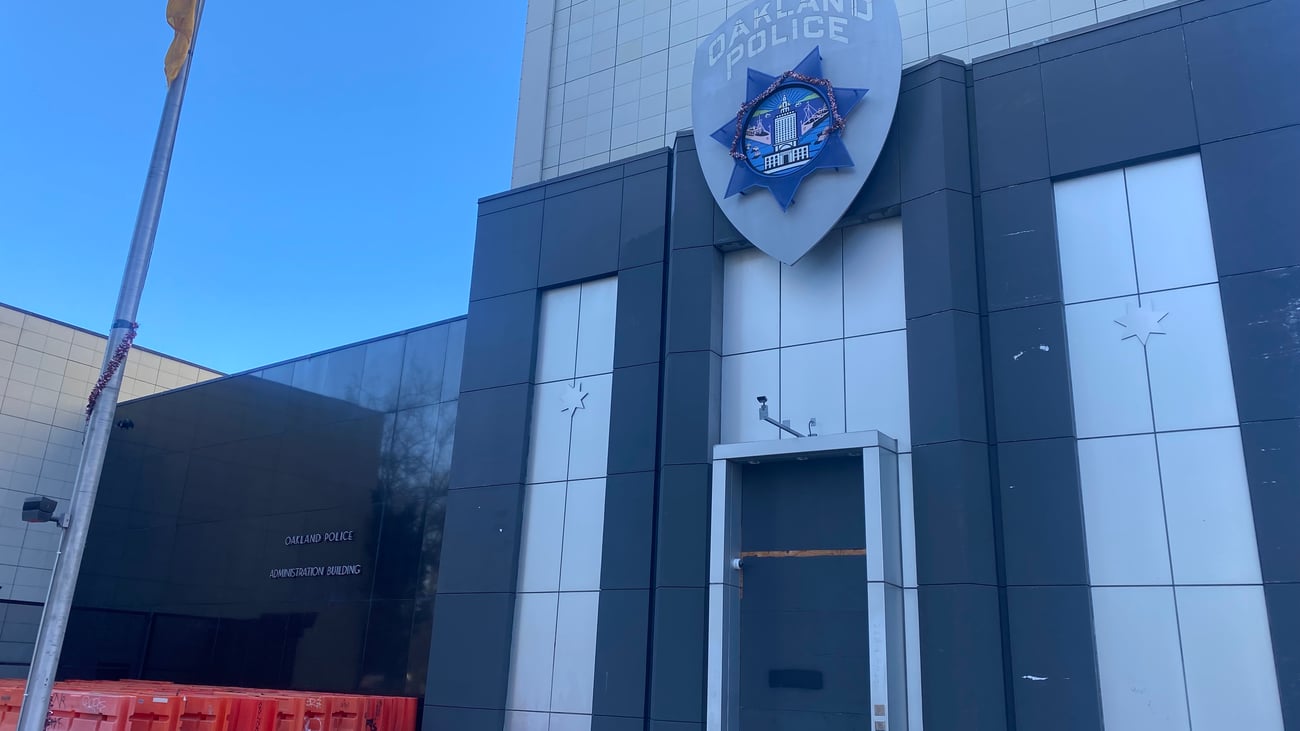
SAN FRANCISCO (CN) — A federal judge Wednesday indicated that the decades-old federal oversight of the Oakland Police Department may be coming to a close, following a report that found the agency in full compliance with court-ordered reforms.
U.S. District Judge William Orrick III said that he would terminate the federal monitorship and close the case on September 29, assuming the city remains in compliance with the negotiated settlement terms it reached in 2003.
“The goal of the [negotiated settlement agreement] assigned in 2003 was to direct the Oakland Police Department to the path of constitutional policing. This is not something that OPD could achieve for a moment in time; this is a goal that will and must exist as long as Oakland has a police force,” the Barack Obama appointee said.
The Oakland Police Department has been overseen by a federal monitor for more than two decades after a string of scandals involving multiple police officers, including accusations of police brutality and sexual assault.
For the past four years, the agency has been under a “sustainability period,” meaning that it seeks to achieve total compliance with all assigned tasks under the negotiated settlement. The monitor reports on the police department’s progress to the court on a quarterly basis.
In his thirteenth report, federal monitor Robert Warshaw said that the department had achieved compliance with all 51 tasks of the negotiated settlement agreement that the department committed to in 2003.
Warshaw specifically highlighted three tasks that the department had been challenged to meet in May 2022 that addressed the timeliness of internal investigations, citizen complaints procedures against the department and the consistency of officer discipline.
“While there is still work to be done, the mayor’s leadership and the department’s commitment to addressing these three tasks have culminated in success,” he said.
At Wednesday’s hearing, Orrick said Warshaw would continue to monitor the city’s compliance with the tasks until September before transitioning department oversight to the citizen-led Oakland Police Commission.
“I am hopeful by September 29, we will be able to say things are moving in the right direction, but it’s never going to be mission accomplished; it’s something that has to be done every day,” he said. “We know this is an issue every day you have to commit yourself to and make happen. I am hopeful.”
Attorneys for the plaintiffs in the case held back from fully celebrating the milestone until more data was released, but recognized the importance of the moment.
“What we tried to do here is to pave the way for the next generation of people. I hope when this is done, whenever it is, that we have done exactly that,” plaintiffs’ attorney John L. Burris said.
James B. Chanin, another attorney for the plaintiffs, told the judge he still had reservations about the disparities between the rate of charges sustained against white officers versus Black officers following internally generated complaints. However, he added that he believed the leadership of the Oakland Police Department would address the issue.
“The fact that I trust the command staff to do something about this sounds like I am close to finishing my job here,” he said. “I spent the last 23 years trying to be fair to everyone and trying to make OPD better for officers and the citizens they serve … I hope my efforts have been a small part of that process.”
Oakland Mayor Barbara Lee also spoke, telling the judge she intends to complete and exit federal oversight of the Oakland Police Department while she’s in office.
“Constitutional policing is no longer a aspiration, it is a standard. Compliance is a milestone, not a finish line,” Lee said.
She added: “Committing to proving this progress is the permanent foundation of how we will protect and serve now and in the future. I heard your requirements loud and clear, and intend to ensure we comply.”
Representatives for the parties did not immediately respond to a request for comment.
The case against the Oakland police department began in December 2000 when 119 plaintiffs accused four veteran police officers, called the “Riders,” of false arrest, excessive use of force, falsifying police reports and assault and battery. The department agreed in 2003 to take on vigorous reforms, but was mired in scandals that hampered its compliance.
In June 2022, Orrick signaled that an end to the monitor could be in sight and gave the department one year to demonstrate full compliance with the negotiated settlement requirements.
However, he opted to keep the federal monitor in January 2023, following a scathing report detailing how internal investigators mishandled a sergeant who failed to report crashing his police vehicle and who fired his gun inside a city building.
The report led then-Mayor Sheng Thao to fire former Police Chief LeRonne Armstrong, who became the eleventh department head dismissed within the last decade. Armstrong was also investigated for his handling of perjury and bribery claims.
Armstrong later launched a failed attempt to sue the city of Oakland over claims the city and Thao violated his First Amendment rights to free speech and retaliated against him for protected “whistleblowing activities.”
In April 2023, Orrick narrowed the monitor’s scope but said that the department needed to demonstrate full compliance with all tasks that the monitor assigned. By December 2023, the monitor said the department was making more progress on the agreement’s tasks.
However, in August 2024, Warshaw found that the police department was still out of compliance with one of the settlement agreement’s assigned tasks that pertained to the handling of internal investigations, including personnel complaints.
 Follow @mhattridge_
Subscribe to our free newsletters
Our weekly newsletter Closing Arguments offers the latest about ongoing trials, major litigation and rulings in courthouses around the U.S. and the world, while the monthly Under the Lights dishes the legal dirt from Hollywood, sports, Big Tech and the arts.