
 Search Articles


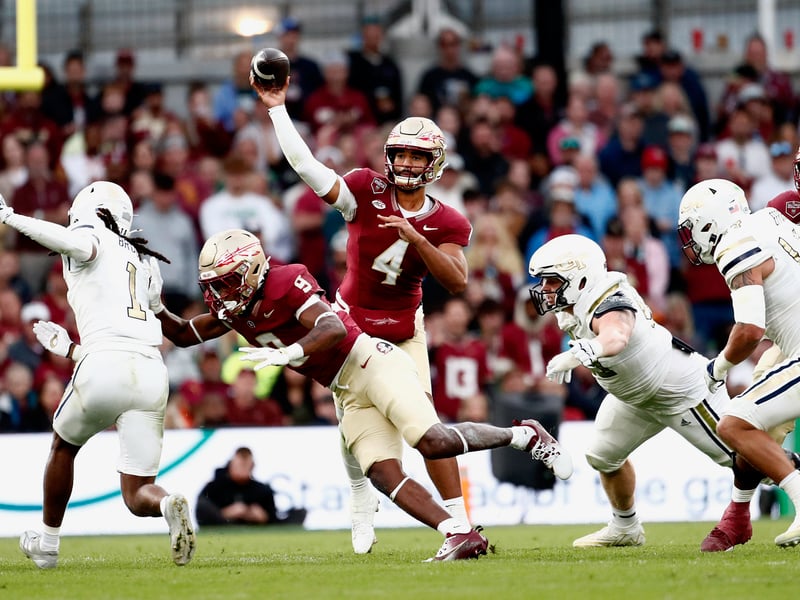
(CN) — A federal judge paved the way for Division I schools to start compensating their athletes for their name, image and likeness for the first time on Monday, by granting preliminary approval to a proposed class action settlement between the National Collegiate Athletics Association and a multitude of student-athletes.
“We are delighted with this result and look forward to a final approval next April which will provide tens of billions of dollars in new payments and benefits to college athletes over the next ten years and transform college sports,” said attorney for the student-athletes Jeffrey Kessler in an email. Another plaintiffs’ attorney, Steve Berman, said the deal would bring about “revolutionary change in college sports.”
The settlement would resolve three different antitrust lawsuits that challenged the NCAA’s current rules about student-athletes receiving money from third parties, including from endorsement deals and likeness rights for video games.
The settlement agreement was submitted to the judge in July, and was the subject of a hearing in September. It was met with a somewhat tepid reception from U.S. District Judge Claudia Wilken, who was especially skeptical over a clause banning boosters from paying athletes to play for their school of choice.
“What if Mr. Fan loves his team and wants to give them all a truck, or a $1 million to their favorite player,” Wilken asked at that hearing. “Is he a booster? I don’t know … How would this ever be interpreted?”
Weeks later, both sides filed a new version of the agreement seeking to ease the judge’s concerns. It clarified that the agreement “does not prohibit any third-party NIL payments that are not prohibited already by the NCAA’s existing rules,” the plaintiffs explained in a brief. “Instead, the relevant section of the agreement merely permits the NCAA to continue its existing prohibitions on ‘faux’ NIL payments.”
Whereas under the old deal, the NCAA had the authority to determine the legality of third-party payments to athletes, now that authority rests with a “neutral arbitration review so that the NCAA cannot act as judge, jury, and prosecutor,” the plaintiffs wrote in their brief. “This process is narrower, fairer, and more administrable than what exists today.”
Under the deal, NCAA Division I schools would be able to pay their athletes — something that was previously banned.
Each school would be able to pay “up to 22% of the Power Five schools’ average athletic revenues each year,” according to the agreement, an amount that would start at more than $20 million, and rise to nearly $33 million by the mid-2030s.
For men’s football, this could amount to hundreds of thousands of dollars for the players, though objectors noted that it may only come out to much less for women athletes or participants of less popular sports.
One group of women athletes has said that the settlement favors male athletes — particularly male basketball and football players. The deal would pay current and former athletes who were denied making money from such deals, going back to 2016, $2.576 billion in damages.
Last week, a different group of students filed an objection to the revised settlement agreement, writing that the amount of money collegiate athletes are set to receive “excludes payments that should be treated as revenue, is unfairly capped, and benefits unfairly the top college football and basketball teams in the Power 5 conferences.”
The deal, the objectors added, would “bind future college athletes to a ten-year contract that they played no role in negotiating.”
Wilken offered little in the way of reasoning why she was giving the deal her preliminary approval, other than to say she would “likely be able to approve the settlement as fair, reasonable, and adequate … subject to further consideration at a hearing.”
That “fairness hearing” is scheduled for April 2025. In the meantime, class members will be notified of the deal and will have the choice to opt out of the settlement, meaning that they would retain the right to sue the NCAA for antitrust violation.
 Follow @hillelaron
Subscribe to our free newsletters
Our weekly newsletter Closing Arguments offers the latest about ongoing trials, major litigation and rulings in courthouses around the U.S. and the world, while the monthly Under the Lights dishes the legal dirt from Hollywood, sports, Big Tech and the arts.