
 Search Articles


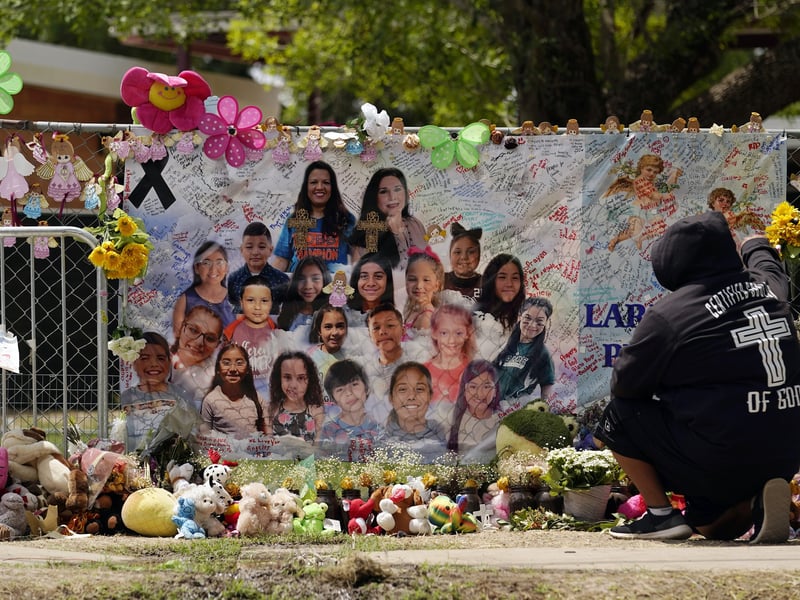
(CN) — Approximately one in 15 American adults has been on the scene during a mass shooting in their lifetime, with younger generations bearing a disproportionate burden of this uniquely American tragedy.
According to University of Colorado Boulder criminologists in research published Thursday in the journal JAMA Network Open, about 7% of U.S. adults report having been physically present during a mass shooting, while more than 2% have sustained injuries in such events.
“This study confirms that mass shootings are not isolated tragedies, but rather a reality that reaches a substantial portion of the population, with profound physical and psychological consequences,” said David Pyrooz, a professor of sociology and criminologist at CU Boulder’s Institute for Behavioral Science, in a statement.
The nationwide survey of 10,000 adults conducted in January 2024 defined “mass shooting” as a gun-related crime where four or more people were shot in a public space. Respondents were considered “physically present” if they were “in the immediate vicinity of where the shooting occurred at the time it occurred, such that bullets were fired in your direction, you could see the shooter, or you could hear the gunfire.”
While the numbers may appear high at first glance, Pyrooz wasn’t surprised by the findings, noting that a single mass shooting can affect thousands of people beyond those directly hit by gunfire.
“During the 2017 shooting at the Route 91 Harvest Music festival in Las Vegas, the shooter killed 60 people and wounded 413 others. But another 454 people were injured during the ensuing panic as people fled to safety,” Pyrooz said. “In all, there were about 22,000 people at the concert — plus onlookers from surrounding hotels on the Las Vegas strip.”
“That translates to about one out of every 11,000 Americans who were on the scene of that shooting alone. Continue that to other events that have occurred around the country and the numbers, unfortunately, add up,” he said.
Researchers revealed that significant demographic disparities in mass shooting exposure. Black Americans and males reported higher rates of having witnessed such events. However, income and education levels showed no measurable impact on the likelihood of being present at or injured during a mass shooting, suggesting these tragedies cut across socioeconomic boundaries.
Perhaps most striking was the generational divide. The study found that members of Generation Z — adults born after 1996 — were at the greatest risk of exposure to mass shootings. More than half of respondents who had witnessed a mass shooting said it occurred within the past decade.
“Our findings lend credence to the idea of a ‘mass shooting generation,’” Pyrooz said. “People who grew up in the aftermath of Columbine have these unique experiences that are really distinguishable from the older population.”
The research also underscored the intensely local nature of mass shooting trauma, with three-quarters of respondents reporting that they experienced these events in familiar community settings such as schools, bars, restaurants, shopping centers and places of worship.
While this study did not quantify the mental health impacts of mass shootings, Pyrooz and his team plan to address this gap in forthcoming research.
Preliminary findings indicate that approximately three-quarters of those present but uninjured during mass shootings still experienced psychological distress, including fear, anxiety and depression — far exceeding the roughly 20% reporting such symptoms in the general population.
Pyrooz himself is no stranger to the ripple effects of mass shootings. He vividly recalls the sound of sirens following the March 22, 2021, shooting at a King Soopers grocery store not far from his office in Boulder, which claimed 10 lives.
“It’s not a question of if one will occur in your community anymore, but when,” he said. “We need to have stronger systems in place to care for people in the aftermath of this tragic violence.”
The researchers hope their work will help address significant research gaps surrounding the public health impacts of mass shootings, a relatively recent phenomenon that remains understudied despite its growing prevalence in American life.
 Follow @JeremyYurow
Subscribe to our free newsletters
Our weekly newsletter Closing Arguments offers the latest about ongoing trials, major litigation and rulings in courthouses around the U.S. and the world, while the monthly Under the Lights dishes the legal dirt from Hollywood, sports, Big Tech and the arts.