Search Articles


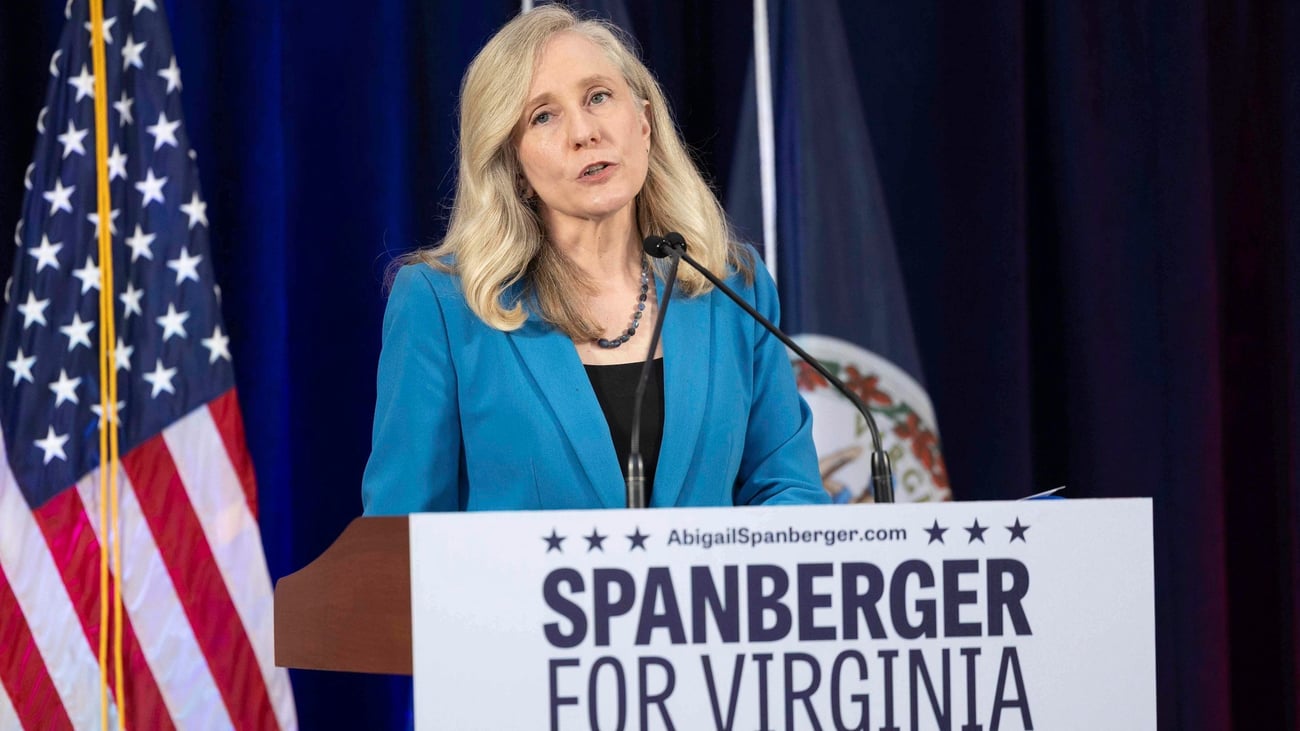
RICHMOND, Va. (CN) — Virginia Governor Abigail Spanberger issued a dozen vetoes on Tuesday to bills that include top Democratic priorities, like creating a retail cannabis market.
The veto adds to a growing list of interests — including public sector collective bargainingand the establishment of an advisory panel tasked with matching federal drug pricing caps for Medicare recipients to state health insurance plans — that Spanberger has axed against the will of her party’s lawmakers.
“I support the intent of many of the bills I am vetoing, however, it is my responsibility as governor to make sure all new laws can be successfully implemented and protect against unintended consequences that harm Virginians,” Spanberger said in a statement.
Virginia legalized recreational cannabis use in 2021. While people over 21 can possess up to an ounce of cannabis in Virginia, the state has so far created no legal recreational market. To obtain the substance, Virginians must either cultivate it themselves or obtain a doctor’s approval.
The veto of the retail cannabis market follows the legislators’ rejection of a substitute bill the governor offered that would have delayed the market’s start day another six months until July, 2027.
Other significant changes included reducing the number of stores that can open and harshening criminal penalties, like making it a Class 2 felony, subject to a prison sentence of 20 years to life, for transporting at least 50 pounds of cannabis into the commonwealth.
Spanberger also sought to turn a proposed $25 fine for public consumption into a Class 4 misdemeanor, which could carry a penalty of up to $250. Spanberger also cut an equity fund, used in states like Maryland, that would use a portion of tax revenue to support communities that law enforcement has disproportionately targeted for drug enforcement.
“As Virginia pursues a legal retail market, it is critical that we incorporate lessons learned by other states and ensure that our regulatory framework is fully prepared to provide strong oversight from day one,” Spanberger said. “That includes clear enforcement authority and sufficient resources for compliance, testing, and inspections, and robust tools to crack down on bad actors who continue to profit from the illicit market.”
The rejection of the substitute bill left Spanberger with the choice of vetoing the initiative or supporting the version that her party’s entire delegation supported. The bill’s patrons said the continued purgatory of Virginia’s cannabis laws only helps the illicit market thrive.
“Once again, Virginia’s efforts to establish a safe, regulated and equitable adult-use cannabis marketplace has been halted despite years of work, public input and broad recognition that the status quo is failing Virginians,” state Senator Lashrece Aird said in a statement. “Virginians deserve better than continued inaction veiled behind excuses about getting it right."
The bill’s patron in the House of Delegates, Paul Krizek, echoed the sentiment.
“The General Assembly provided Virginia with an opportunity to lead on this issue, but instead this veto prolongs uncertainty and provides comfort to those profiting from the illicit market,” the pair said in a joint statement. “This veto and its consequences belong to the governor and the governor alone."
Advocates and legislators alike expressed disappointment over the governor’s veto of the Affordable Medicine Act, which would have capped drug prices for state insurance plans.
“They are expensive undertakings that other states have either repealed or are considering repealing due to costs and ineffectiveness,” Spanberger said of the proposed prescription drug affordability board.
The legislation garnered bipartisan support, obtaining 95 of 100 votes in the House of Delegates and 36 of 40 votes in the state Senate.
“This is more than just a veto of a piece of legislation; this is the governor showing her true priorities and betraying the message she’s been touting since her time in Congress, that she wants to lower the cost of medicine,” Rhena Hicks, the co-executive director of the lobbying group Freedom Virginia, said in a statement. “Similar legislation was vetoed under the previous governor, each time vetoed with a statement that parrots Big Pharma talking points, and today is no different.”
Spanberger joined her Republican predecessor, Glenn Youngkin, in vetoing the retail cannabis market and the drug capping legislation.
Spanberger, like Youngkin, also vetoed a bill that would have created a state class action process in Virginia. The bill would have applied to all civil actions and claims for damages under the Virginia Consumer Protection Act.
Proponents of the bill, including the Virginia Trial Lawyers Association, argued that it is needed to provide low-income consumers with relief on claims they can’t afford to bring individually. The legislature declined to accept Spanberger’s substitute bill.
“I support the General Assembly’s goal of providing a class action mechanism that can be used by plaintiffs in Virginia courts,” Spanberger said. “I offered amendments to ensure that when Virginia adopts its first-ever class action procedure, we do so in a tailored and judicious way — building on longstanding, federal precedent while providing regional circuit courts an opportunity to develop expertise.”
The governor also vetoed bills that would have added menopause and perimenopause as protected categories for the Virginia Human Rights Act. Spanberger wanted to require a study before implementing any code change.
“These bills would have strengthened protections against discrimination and ensure employees could seek reasonable accommodations without fear of retaliation,” state Senator Stella Pekarsky and Delegate Kathy Tran said in a joint statement. “We remain committed to advancing policies that reflect the needs of workers."
Spanberger has until May 24 to act on all remaining legislation.
Subscribe to our free newsletters
Our weekly newsletter Closing Arguments offers the latest about ongoing trials, major litigation and rulings in courthouses around the U.S. and the world, while the monthly Under the Lights dishes the legal dirt from Hollywood, sports, Big Tech and the arts.