Search Articles


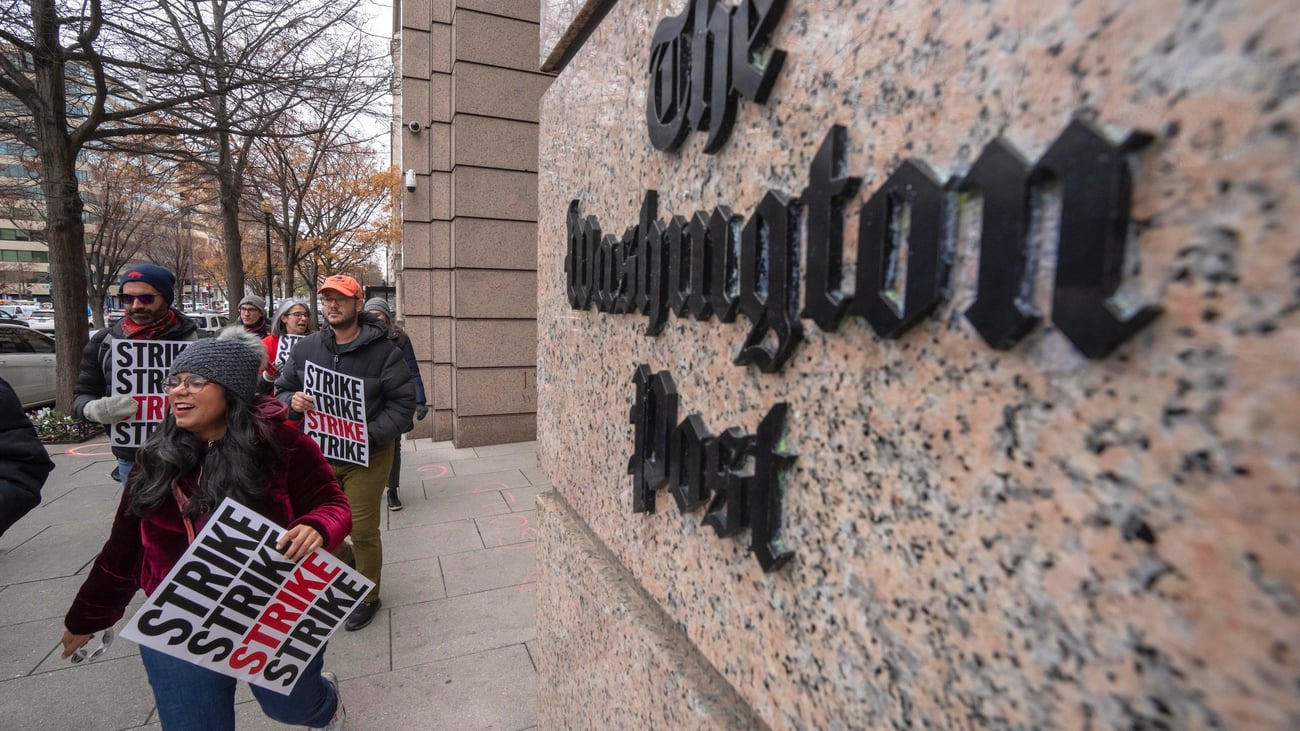
WASHINGTON (CN) — The Washington Post faces a class action filed in the local D.C. Superior Court on Thursday over the legacy paper’s recent use of reader data to set subscription prices, a practice referred to as “surveillance pricing.”
The proposed class of readers argue in the suit the Post turned its audience’s reading habits into a “pricing profile” in 2024 to offer different prices to subscribers based on the demographics and their activities, like reading the morning headlines, checking an election update or following a favorite columnist.
“The Post has been monitoring usage and implementing this pricing practice, often referred to as ‘surveillance pricing’ since at least December 2024, at which point not a single subscriber was aware of the Post’s surveillance pricing or secret harvesting of subscriber data,” the readers wrote.
“The law does not allow this conduct. State attorneys general across the country along with the Federal Trade Commission have begun investigating companies that engage in ‘surveillance pricing’ (also referred to as ‘algorithmic pricing’) using consumer personal information instead of market forces to set individualized prices,” they added.
The proposed class is led by Chelsea Blink, a subscriber to billionaire Jeff Bezos’ Post who says she would have unsubscribed had she known her activity and data were being tracked for pricing purposes.
According to the readers, the Post had to disclose the surveillance policy last year when New York required companies to reveal if they set prices using algorithms based on consumer’s personal data. That law took effect in late 2025, but the Post only made the disclosure in March 2026 via a renewal email to subscribers.
The class action includes several reactions from subscribers who were outraged by the revelation, with one customer comparing the scheme to a grocery store charging two customers different prices for a loaf of bread “with the difference only being their browsing habits.”
“That sense of unfairness became even more powerful when customers compared notes on their pricing publicly,” the readers said. “One frustrated user described seeing a renewal jump from $170 to $260, canceled in response, then later clicked a link to an article and was shown a new subscription offer again, referencing the old lower annual price. Another person immediately asked: ‘Why was yours $170 originally … I managed to get a $60 deal.”
According to the readers, the newspaper implemented a new privacy policy in December 2025, which allowed the company to gather subscriber information, analyze their cookies and browsing history and compile comprehensive profiles of the users.
The profiles reportedly include reading habits and engagement patters, behaviors, preferences, demographic data, income, user preferences and characteristics, internet and browsing activity, location data, device information and more. Under the policy, the readers say, the Post could also access information from other “Bezos-owned” companies like Amazon, particularly users who used subscription promotions and linking services on Amazon.
In the readers’ view, the policy goes well beyond an average user’s expectations for internet use, where accepting cookies and browsing data are regularly tracked for advertising. No subscriber would anticipate a company use their data against them to set higher prices, nor would they expect the tracking to “transform into a profiling system designed to predict their economic value.”
Blink asserts that the newspaper’s conduct violates D.C.’s Consumer Protection Procedures Act and is asking a Superior Court judge to order the Post to accurately disclose its data practices and end its undisclosed surveillance pricing.
The lawsuit comes as the major news outlet has undergone significant changes after Bezos bought the Post for $250 million in 2013.
Just this February, the Post laid off over 300 journalists — 30% of its staff — as part of its effort to boost the newspaper’s finances and better meet readers’ needs.
Matt Murray, the Post’s executive editor, said at the time that the layoffs were “about positioning ourselves to become more essential to people’s lives in what is becoming a more crowded, competitive and complicated media landscape,” adding that online search traffic had fallen by nearly half in the last three years.
In February 2025, in the wake of President Donald Trump’s return to the White House, Bezos announced the paper’s editorial section would focus on defending “personal liberties and free markets.”
The move came four months after Bezos killed a presidential endorsement of former Vice President Kamala Harris, the first time in 36 years, which triggered hundreds of thousands of subscribers to cancel.
The Post did not immediately respond to a request for comment.
 Follow @Ryan_Knappy
Subscribe to our free newsletters
Our weekly newsletter Closing Arguments offers the latest about ongoing trials, major litigation and rulings in courthouses around the U.S. and the world, while the monthly Under the Lights dishes the legal dirt from Hollywood, sports, Big Tech and the arts.