Search Articles


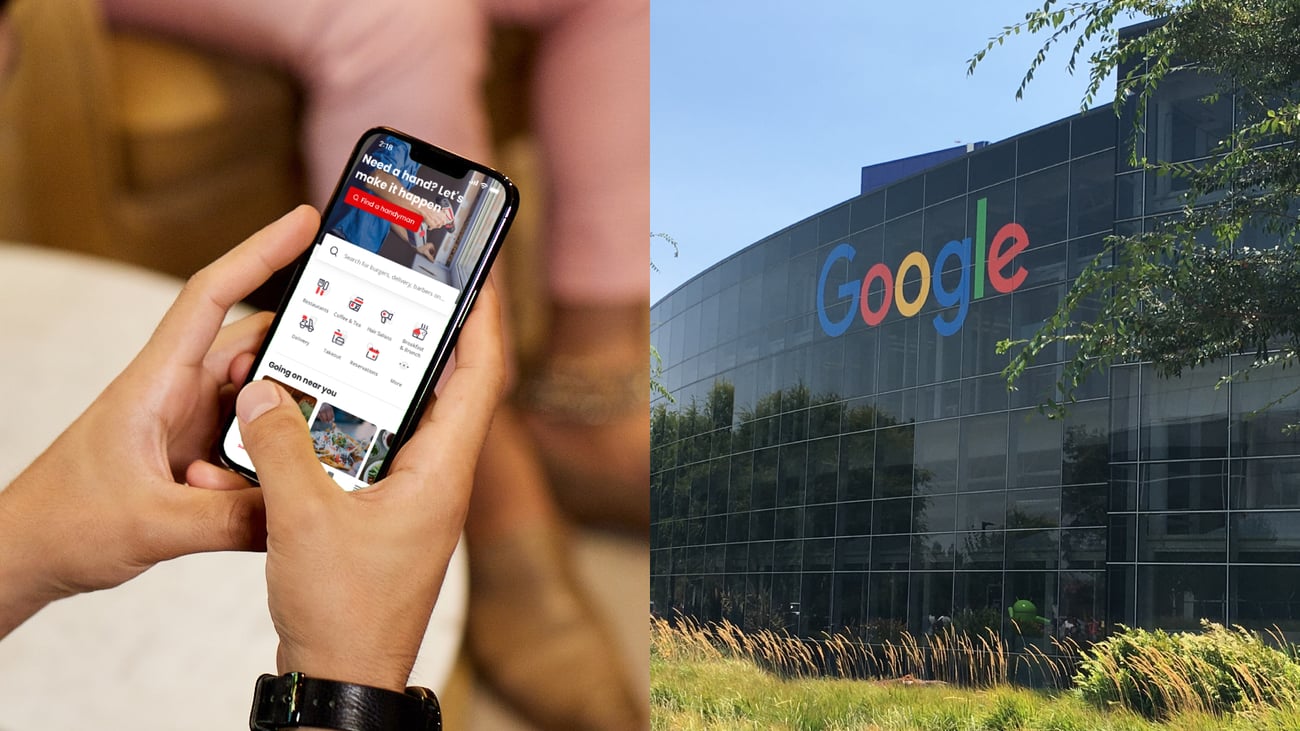
SAN JOSE, Calif. (CN) — Two major tech competitors in search argued Tuesday about how the search engine market may change soon with the advent of artificial intelligence and other factors.
Yelp argued in a motion for partial summary judgment that it should be given in its favor based on issue preclusion from a September 2025 ruling. In that Washington, D.C., ruling from United States v. Google, U.S. District Judge Amit Mehta, a Barack Obama appointee, said Google must share its search index and user-interaction data with search engine competitors, which Yelp has argued is necessary to match the quality Google has accomplished via its monopoly.
Yelp attorney Sathya Gosselin said issue preclusion would save a lot of court expense before going to trial, and the court need not adjudicate facts that were already found about Google’s monopoly power and its continued dominance in the search engine market.
“Google would prefer a do-over,” said Gosselin. “That simply can’t be.”
Gosselin argued the preclusion should entail the fact findings by Mehta in his ruling, as well as subsidiary analysis regarding the search advertising market through the end of 2025. Google contested the timeframe and said a much more likely time period for fact-finding for the DOJ case was through the fall of 2023.
Search engine giant Google explained how Yelp’s case against the company is markedly different than the antitrust case brought by the Department of Justice and needed to be litigated fully without issue preclusion.
Furthermore, Google attorney John Schmidtlein cautioned the court about issue preclusion, calling it a “very, very, serious matter.”
“Issue preclusion removes a defendant’s position to litigate an issue in a subsequent case,” he said.
Schmidtlein said Google’s monopoly on search queries is dwindling, including more localized queries, such as “where is the best sushi in downtown San Jose,” — a question online users may be more likely to go to Yelp for an answer — as they are starting to compete with AI, such as OpenAI’s ChatGPT.
Additionally, Schmidtlein said Yelp and Google produce different products. If Yelp is to continue its tying claim — that Google uses its power through general search services to compel people to use its own local search product — Yelp cannot also ask for issue preclusion, because Mehta’s findings evaluated all search results, and didn’t separate localized and general queries when coming up with a statistical analysis that showed Google’s monopoly power.
In October, U.S. Magistrate Judge Susan van Keulen denied Google’s motion to dismiss the so-called tying claim. The judge had previously dismissed the claim, but Yelp reformulated it in an amended complaint.
Yelp initially sued Google in August 2024, claiming the search behemoth operates an illegal monopoly because it uses its search engine to promote Google’s own reviews, directing users away from results from other local search platforms like Yelp, even if the Yelp results are more accurate.
Yelp claims Google “has never been able to develop a high-quality local search service to rival that of Yelp and other local search platforms. Unwilling to invest or innovate to attract users in a competitive environment, Google has instead relied on a simple but effective strategy — it uses its monopoly power in general search to make sure that users never get to local search competitors in the first instance, diverting traffic away from those rivals and toward Google’s own inferior local search product."
Last year in April, van Keulen denied in part Google’s bid to dismiss the lawsuit but agreed Yelp’s tying claim couldn’t proceed as stated.
In its amended complaint, Yelp beefed up the tying claim by focusing on zero-click searches.
Van Keulen said she was tentatively leaning toward granting issue preclusion in one factor of Yelp’s motion, before hearing oral arguments from both parties Tuesday. By the end of the hearing, she was less forthcoming about her inclinations.
“The written work was very good, as were the oral arguments today,” she said, taking the motion under submission.
“The arguments have given me a lot to think about.”
Subscribe to our free newsletters
Our weekly newsletter Closing Arguments offers the latest about ongoing trials, major litigation and rulings in courthouses around the U.S. and the world, while the monthly Under the Lights dishes the legal dirt from Hollywood, sports, Big Tech and the arts.